

How to Make Turmeric Mask for Face: DIY Recipes for Glowing Skin
11 Jun 2026
0 comments
Key Takeaways
-
Turmeric’s active compound, curcumin, delivers clinically documented anti-inflammatory, antioxidant, and antimicrobial benefits that calm acne, fade dark spots, and impart a natural glow.
-
The basic DIY turmeric face mask requires just three pantry staples—turmeric powder, yogurt, and honey—and works in as little as 10–15 minutes.
-
Fine-tuning a tumeric face mask recipe for your skin type—by adding chickpea flour for oily skin, aloe for sensitivity, or almond oil for dry skin—amplifies results.
-
Consistent, properly timed use (1–3 times per week) visibly enhances radiance, but a patch test is essential to avoid irritation or staining.
Why Turmeric Works for Your Skin: The Science Behind the Glow
Turmeric (Curcuma longa) isn’t a modern fad; it has anchored Ayurvedic rituals for centuries and is now validated by dermatological research. The golden spice owes its skin-transforming reputation to curcumin—a polyphenol with multi‑targeted biological actions. When you understand the science, you’ll quickly see why learning how to make turmeric mask for face at home can be a genuine upgrade to your skincare routine.
Curcumin: Nature’s Anti-Inflammatory Powerhouse
Chronic low‑grade inflammation underpins acne, rosacea, eczema, and even premature aging. Curcumin suppresses key inflammatory mediators like NF‑κB, COX‑2, and various cytokines. A systematic review of clinical evidence found that topical turmeric or curcumin improved skin disease severity in 10 studies, covering conditions from psoriasis to atopic dermatitis. In a split‑face randomized controlled trial, curcumin‑enhanced photodynamic therapy cleared 54.7% of total acne lesions compared to just 28.1% with light therapy alone; for inflamed pimples, clearance reached 59.3% versus 36.5%. These numbers aren’t a promise that a kitchen paste will mimic a medical procedure, but they confirm curcumin’s profound ability to calm the type of inflammation that makes skin red, swollen, and painful.
Antioxidant Protection Against Free Radicals
Every day, UV rays, pollution, and stress generate free radicals that degrade collagen and accelerate photoaging. Curcumin is a scavenger of these reactive molecules. Research shows it prevents UV‑induced skin thickening, preserves elasticity, and inhibits wrinkle formation by blocking matrix metalloproteinases—enzymes that chop up collagen fibers. When you make a turmeric face mask and apply it weekly, you’re giving your skin an extra defensive layer that helps maintain firm, smooth texture over time.
Antimicrobial Activity Against Acne Bacteria
Turmeric extracts demonstrate activity against Cutibacterium acnes (formerly Propionibacterium acnes), the bacteria driving breakouts. By reducing bacterial load and simultaneously calming inflammation, turmeric masks tackle two root causes of acne in one step. This dual action is why so many people searching for how to make a turmeric mask for face also want solutions for stubborn blemishes.
How to Make Turmeric Mask for Face: Basic Recipe
Mastering how to make turmeric mask for face is surprisingly simple. The classic recipe calls for three ingredients you likely already own.
Ingredients You’ll Need
|
Ingredient
|
Amount
|
Role
|
|---|---|---|
|
Turmeric powder (preferably organic)
|
1 teaspoon
|
Anti‑inflammatory, brightening
|
|
Plain yogurt or whole milk
|
1 tablespoon
|
Lactic acid (mild exfoliant), moisturizing lipids
|
|
Raw honey
|
1 teaspoon
|
Antibacterial, humectant, soothing
|
A quick note on turmeric: culinary powder works, but wild turmeric (kasturi manjal) stains less. If you can source it, it’s a gentler choice for lighter skin tones.

Step-by-Step Instructions
-
Mix. In a glass or ceramic bowl (turmeric can stain plastic), combine the turmeric and yogurt first, stirring until the powder is completely incorporated with no lumps. Add the honey and mix to a smooth, spreadable paste.
-
Prep your space. Turmeric splatters. Drape a dark towel over your sink and put on an old headband. Apply a thin layer of petroleum jelly along your hairline and eyebrows to create a stain barrier.
-
Apply. Using clean fingers or a soft silicone brush, spread an even layer onto freshly cleansed, slightly damp skin. Avoid the delicate eye area.
-
Wait. Leave the mask on for 10–15 minutes. If your skin is sensitive, start with 8 minutes. Do not let the mask fully dry and crack; mist lightly with water if needed.
-
Rinse. Wet a dark washcloth with lukewarm water and gently press against your face for 30 seconds to soften the mask. Then, using circular motions, massage the residue away. Rinse thoroughly and pat dry.
Tips to Avoid Staining
Turmeric’s golden hue is notorious for temporary yellow tinting. To minimize it:
-
Add a teaspoon of chickpea flour (besan) or oat flour to the mix; these absorb excess pigment.
-
Rinse with an oil cleanser or massage a small amount of plain yogurt over the skin post‑mask; both help lift residue.
-
If a faint cast remains, it usually fades within a few hours. In the meantime, a tinted moisturizer covers it effortlessly.
-
Never leave the mask on longer than 15 minutes; over‑exposure increases staining risk.
Skin-Type Variations
Customizing your tumeric face mask recipe allows you to target specific concerns. Below is a quick‑glance guide, followed by the exact proportions for each skin type.
|
Skin Type
|
Key Ingredients
|
Primary Benefits
|
|---|---|---|
|
Oily & Acne‑Prone
|
Turmeric, chickpea flour, green tea, kaolin clay
|
Absorbs excess oil, clears congestion
|
|
Dry Skin
|
Turmeric, mashed avocado, almond oil, yogurt
|
Deeply nourishes, restores suppleness
|
|
Sensitive Skin
|
Wild turmeric, oat flour, aloe vera gel
|
Soothes, strengthens without irritation
|
|
Brightening
|
Turmeric, chickpea flour, rose water, honey
|
Evens tone, fades hyperpigmentation
|
Oily & Acne-Prone: Turmeric + Yogurt + Honey
This tumeric face mask recipe is a reliable acne fighter. To dial up oil control, replace plain yogurt with green tea (rich in antioxidants and mildly astringent) and add a pinch of kaolin clay to absorb sebum.
-
1 tsp turmeric powder
-
1 tbsp brewed and cooled green tea
-
1 tsp raw honey
-
Pinch of kaolin clay
-
Optionally, 1 tsp chickpea flour for body
Use 2–3 times per week. The clay will help mattify the T‑zone while turmeric calms active spots.
Dry Skin: Turmeric + Avocado + Almond Oil
When skin feels parched, you need a mask that quenches without stripping.
-
1/2 tsp turmeric powder
-
1 tbsp mashed ripe avocado
-
1 tsp sweet almond oil (or jojoba oil)
-
1 tsp plain yogurt
This creamy blend supplies fatty acids, vitamin E, and humectants. Rinse before it dries completely—dry skin benefits from shorter, 10‑minute sessions.
Sensitive Skin: Turmeric + Oat Flour + Aloe Vera
Sensitive, reactive skin demands a minimalist approach.
-
1/2 tsp wild turmeric (kasturi manjal)
-
1 tbsp colloidal oat flour (or finely ground oats)
-
1 tbsp pure aloe vera gel
Skip honey or essential oils. Oat flour forms a soothing, protective film, while aloe calms redness. Wear for only 5–8 minutes and use once weekly.
Brightening: Turmeric + Chickpea Flour + Rose Water
If you’re specifically researching how to make turmeric face mask for glowing skin, this variation is the classic ubtan-inspired formula that enhances radiance.
-
1 tsp turmeric powder
-
1 tbsp chickpea flour (besan)
-
1–2 tbsp rose water (enough to form a paste)
-
1/2 tsp honey (optional)
Chickpea flour gently exfoliates as you rinse, lifting dead cells and revealing brighter skin. Rose water tones and adds a subtle fragrance. Clinical lab data support the premise: compounds in turmeric, especially ar‑turmerone, can inhibit tyrosinase activity by around 19%, offering a mild, consistent brightening effect over time.
How to Apply and Remove a Turmeric Face Mask
Even the perfect recipe falls flat without proper technique. Whether you’re trying how to use a turmeric face mask for the first time or refining your ritual, these steps ensure maximum benefit and minimal mess.
Preparation
Begin with a clean base. Use a gentle cleanser to remove makeup, sunscreen, and daily buildup. Lightly pat your face so it remains slightly damp—this aids spreadability. Pull your hair back, and protect your hairline with a thin balm or petroleum jelly.
Application Tips
Scoop the paste with a dedicated spatula, then smooth a thin, uniform layer from the center of the face outward. A silicone brush gives the most even distribution and keeps fingers yellow‑free. Avoid the eye contours, nostrils, and lips. If you have combination skin, you can apply the oily‑skin variation only to your T‑zone and the dry‑skin blend to your cheeks.
Removal Without Stains
Rinsing is the step where stain risk peaks. Rather than splashing water, use a damp, dark‑colored microfiber cloth to gently steam and wipe off the mask in sections. For stubborn staining, massage a pump of non‑comedogenic cleansing oil or a dab of plain yogurt onto the skin for 30 seconds, then rinse. Finish with cool water to help tighten pores, and follow immediately with moisturizer.
For more guidance on how long to leave different masks on, read our complete guide on how long to keep clay mask on. The timing principles overlap—over‑drying any mask can compromise your barrier.
How Often to Use a Turmeric Face Mask
Frequency depends on your skin’s tolerance and goals:
-
Oily/acne‑prone: 2–3 times per week.
-
Normal/combination: 1–2 times per week.
-
Dry or sensitive: Once weekly or every other week.
Signs you’re overdoing it include tightness, flaking, or a stinging sensation when you apply other products. Dial back if these appear. Remember, consistency over weeks is what builds visible brightening and smoother texture—not aggressive daily use.
What to Apply After a Turmeric Mask
Right after rinsing, your skin is primed to absorb active ingredients. A few drops of a collagen‑supporting serum or mask can lock in hydration and reinforce skin firmness. At a minimum, smooth on a barrier‑friendly moisturizer. If you masked during the day, never skip broad‑spectrum sunscreen—SPF 30 or higher. Turmeric can increase photosensitivity, especially if combined with lemon or other citrus ingredients.
Frequently Asked Questions
Does turmeric face mask stain skin?
Yes, turmeric can temporarily tint the skin, especially lighter tones. The staining is harmless and usually fades within a few hours. Using yogurt, milk, or an oil cleanser during removal dramatically reduces the yellow cast. Wild turmeric (kasturi manjal) stains far less than standard culinary powder.
Can I use turmeric face mask every day?
No, daily use is not recommended. Even the most resilient skin needs recovery time. Over‑exposure can lead to irritation, barrier disruption, and increased sensitivity. Stick to the frequency guidelines above, and always listen to your skin.
How long should I leave turmeric mask on?
For most skin types, 10–15 minutes is ideal. Sensitive skin should start with 5–8 minutes. Leaving the mask on for longer than 20 minutes doesn’t amplify benefits and raises the risk of staining and tightness.
Can turmeric face mask remove dark spots?
Turmeric masks can gradually fade hyperpigmentation, but they are not instant erasers. By inhibiting tyrosinase, curcumin helps slow melanin production, leading to a more even skin tone over weeks of consistent use. For stubborn sunspots or hormonal melasma, consider combining turmeric masks with a targeted antioxidant treatment and always wear sunscreen. For deeper skin repair at the cellular level, Pier Augé's PDRN mask technology uses institution-grade DNA fragments to support skin regeneration and even tone restoration.
Is turmeric good for acne scars?
Turmeric’s anti‑inflammatory and wound‑healing properties may reduce the redness of post‑acne marks and support smoother texture. One documented case showed curcumin ointment aiding rapid wound healing with no scarring. However, for indented (atrophic) scars, professional treatments like microneedling are more effective; turmeric largely addresses discoloration.
Can I use store-bought turmeric powder?
Absolutely. Organic, high‑quality culinary turmeric powder works well. Just be aware that its bright yellow pigment is strong. If staining is a major concern, seek out wild turmeric (kasturi manjal) or products labeled specifically for skincare use.
Conclusion

Learning how to make turmeric mask for face gives you a low‑cost, effective way to address acne, dullness, and uneven tone with ingredients your kitchen already holds. The science is clear: curcumin calms inflammation, fights bacteria, and shields skin from oxidative stress. When you customize the recipe to your skin type and apply it correctly, the glow is tangible.
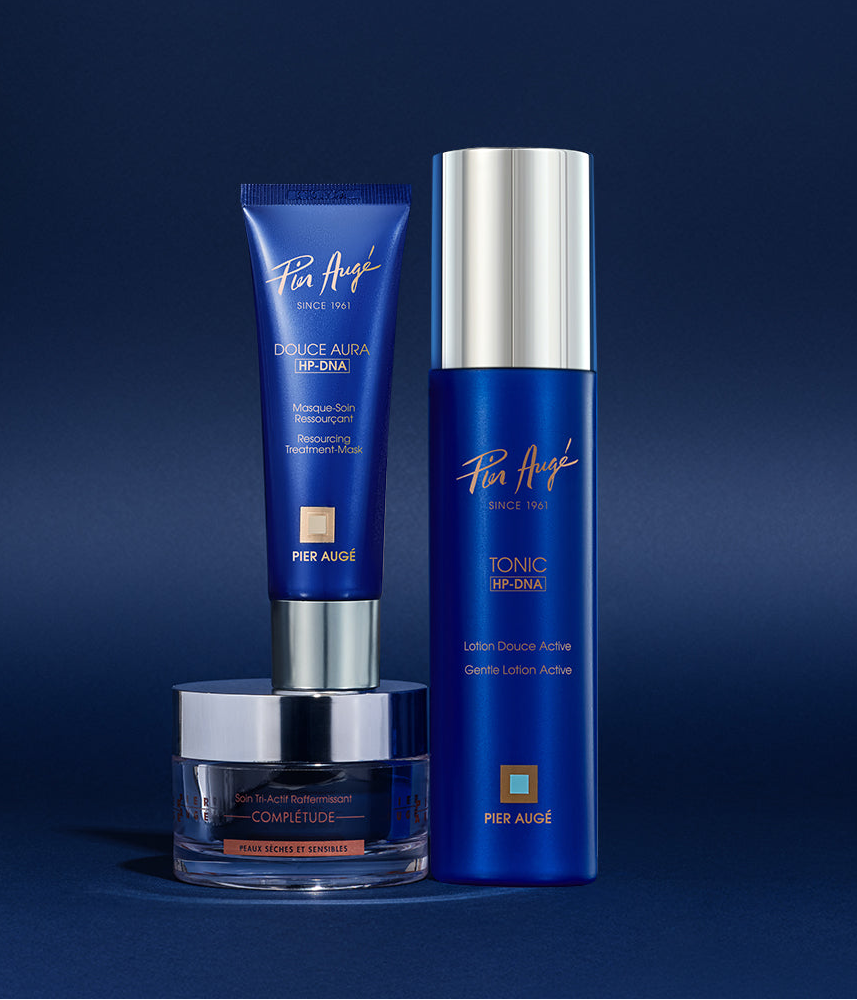
Yet, while a DIY mask offers a beautiful ritual, some skin concerns benefit from advanced, stabilized formulations. For those ready to move from a weekly splash of natural brightness to deep, overnight skin repair, consider a product born from pharmaceutical‑grade research. Since 1961, the French Maison Pier Augé has harnessed cellular‑level science to create skincare that respects the skin's natural physiology. The Douce Aura Overnight Mask combines high‑purity PDRN—a biomimetic DNA complex with 98% similarity to human DNA—with Arctic Cloudberry and Shea Butter to visibly renew, hydrate, and plump the skin while you sleep. Clinical tests showed a 52% radiance boost and a 45% hydration surge within 15 minutes, with continued improvement over two weeks. No staining, no measuring spoons, just a noticeable morning‑after effect.
Ready to take your glow to a whole new level? Discover the full Pier Augé collection and let science do the mixing for you.