

What Are Face Masks for Skincare? Types, Benefits & How to Choose
10 Jun 2026
0 comments
Key Takeaways
-
Face masks for skincare are concentrated treatment products designed to deliver high-potency active ingredients to the skin in a short period, addressing specific concerns like hydration, oil control, or firming.
-
Unlike daily moisturizers, masks use occlusion and extended contact time to drive ingredients deeper into the skin, making them a powerful supplement to your daily routine rather than a replacement.
-
The American Academy of Dermatology confirms that facial masks can effectively hydrate the skin, remove excess oils, and improve the appearance of pores when chosen for your specific skin type.
-
Choosing the right mask depends entirely on understanding your skin type and matching it with evidence-backed ingredients: hyaluronic acid for dry skin, salicylic acid for acne-prone skin, and peptides for aging skin.
-
Overusing face masks or choosing formulas with irritating fragrances, alcohols, or harsh physical exfoliants can damage the skin barrier—the exact opposite of what effective masking aims to achieve.
What Are Face Masks for Skincare?
Definition and Purpose
You have probably asked yourself what are face masks for skincare, especially while scrolling through endless product pages or watching beauty tutorials that promise impressive results. At their core, face masks are intensive, leave-on treatment formulas that deliver a concentrated dose of active ingredients directly to facial skin. They are designed to address specific concerns—whether that means flooding dehydrated skin with moisture, drawing impurities out of congested pores, or flooding tired skin with rejuvenating compounds—in a way that ordinary daily products cannot replicate.
The fundamental principle behind how a face mask works is occlusion. By creating a physical barrier between the skin and the air, a mask traps water, active ingredients, and sometimes heat against the surface of the skin. This temporarily increases the permeability of the stratum corneum—the outermost layer of the epidermis—allowing active ingredients to penetrate more deeply and efficiently than they would during a quick application of serum or moisturizer. Understanding what is a face mask for skincare means recognizing that it is not just another step; it is a targeted therapeutic event within your weekly routine.
Dermatologists and formulation chemists distinguish masks from other products primarily by their concentration, application method, and recommended frequency of use. While a daily moisturizer prioritizes lightweight, all-day barrier support, a mask delivers a bolus of active ingredients that would be impractical or unnecessary for daily use. The American Academy of Dermatology (AAD) notes that facial masks can help moisturize the skin and strengthen the skin barrier precisely because the active ingredients have more time to absorb before being rinsed away. This principle of extended contact is central to what makes masks effective, and it is why knowing what is face mask in skincare is the first step to using one correctly.
How Face Masks Differ from Daily Skincare
To truly understand what is face mask in skin care, it helps to contrast masks with the products you use every day, like cleansers, toners, serums, and moisturizers. Daily skincare is designed for maintenance. The goal is to gently cleanse, protect from environmental damage with antioxidants, support barrier function, and hydrate—all without overwhelming the skin. These products have to be gentle enough for twice-daily use. Masks, on the other hand, are designed for intervention. They are the therapeutic equivalent of a high-dose supplement rather than a daily multivitamin.
The key difference lies in the format and exposure time. Serums are often highly concentrated too, but they are applied in a thin layer that absorbs quickly and sits on the skin all day or night, often with the repeated friction of pillowcases or phone screens coming into play. A mask sits in a thick, undisturbed layer for a prescribed period—often 10 to 20 minutes, or even all night for sleeping masks—under conditions that actively promote penetration. This is why someone exploring what is a face mask for skin care will find that the benefits tend to be immediate and noticeable, often described as a "reset" for the skin after a long week or a stressful event.
Another important distinction is that face masks are not a replacement for prescription treatments for medical skin conditions like eczema, psoriasis, or moderate to severe acne. The AAD explicitly states that while masks can help moisturize and remove excess oil, they cannot treat diseases. A mask can complement a dermatologist-prescribed regimen by providing soothing hydration or gentle exfoliation, but it should never replace medically necessary topical treatments. This is a critical piece of the answer to what is a face mask skin care product: it is an adjunct, a tool for optimizing skin health, not a cure for pathology.
Types of Face Masks
The world of face masks is expansive, and selecting the correct format is just as important as choosing the right ingredients. The physical structure of the mask—whether it is a cloth sheet, a clay paste, or a lightweight cream—determines how it interacts with your skin barrier and what kind of benefits it can deliver. The following guide breaks down the major categories so you can navigate the aisles with confidence.

Sheet Masks
Sheet masks are single-use face-shaped cloths or papers soaked in a concentrated serum. Originating from Korean beauty culture, they have become globally popular because of their convenience and the immediate, visible hydration they provide. The sheet itself acts as a physical occlusive barrier, preventing evaporation and forcing the serum into the skin over the 15- to 20-minute wear time. However, because the sheet is typically made of biocellulose, cotton, or hydrogel fibers, the formula tends to be water-based to avoid sogginess or dripping.
When considering what does a face mask do for skin, a sheet mask is the most dramatic example of instant plumping. The trapped moisture physically swells the outermost corneocytes, visually plumping fine lines. This effect is temporary—often lasting a day or so—which makes sheet masks ideal for event prep but not a substitute for consistent barrier repair. Look for sheet masks containing humectants like glycerin and hyaluronic acid for hydration, but be cautious with heavily fragranced formulations if you have sensitive skin, as the occlusive effect can drive potential irritants deeper into the skin.
Clay and Charcoal Masks
Clay masks, including those enriched with charcoal, are subtractive masks. Instead of adding moisture, they primarily function by adsorbing excess sebum from the skin's surface and pores. Clays like bentonite and kaolin have a negatively charged surface area that attracts the positively charged ions in oil, effectively pulling it out of your pores as the mask dries. This makes them a go-to for anyone with oily or congested skin. However, the drying process itself can feel tight and uncomfortable, especially as the clay contracts on the skin.
The myth that a throbbing, cracking clay mask is "working" is dangerous. While these masks unclog pores and provide deep cleansing, over-drying the skin can trigger a rebound production of oil or, worse, compromise the skin barrier, leading to redness and peeling. The AAD specifically warns mask enthusiasts to avoid overusing masks, as this can damage the barrier. When you ask what does a face mask do for skin in the context of clay, the answer is oil control—but balance is key, especially for combination skin types.
Sleeping and Overnight Masks
Sleeping masks, also known as overnight masks, represent a significant evolution in the understanding of what is face mask in skincare. Unlike traditional rinse-off masks, sleeping masks are designed to be applied as the last step of your nighttime routine and left on while you sleep. Their formulas are engineered to be non-comedogenic and transfer-resistant, setting down to a breathable, non-sticky film that locks in active ingredients for eight hours of uninterrupted repair.
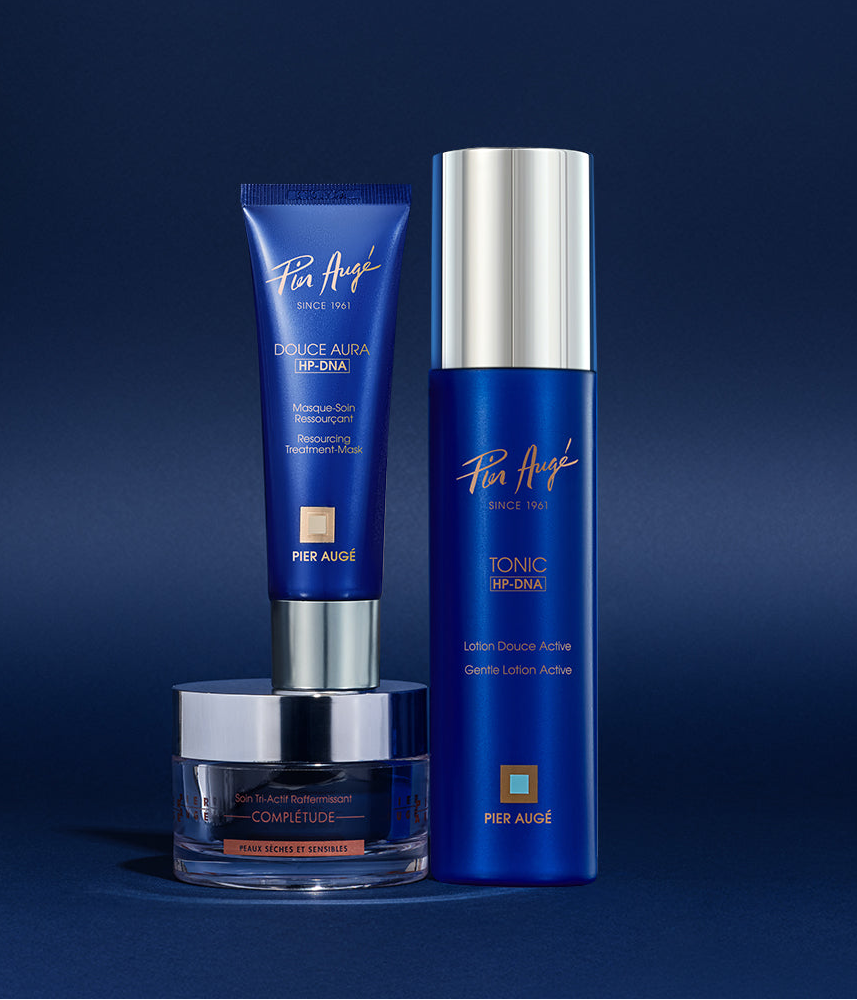
The benefit of a sleeping mask is largely tied to circadian biology. At night, skin's permeability increases, and transepidermal water loss (TEWL) rises. A well-formulated overnight mask can combat this dehydration while delivering restorative ingredients like peptides and DNA repair enzymes during the skin's peak regenerative window. For example, a formula like the Pier Augé Douce Aura Overnight Mask leverages this overnight window with High-purity PDRN (polydeoxyribonucleotide)—a molecule with 98% similarity to human DNA—to support collagen synthesis and barrier repair. Clinical testing on the Douce Aura formula demonstrated a 52.69% radiance boost and 45.86% hydration surge just 15 minutes after application, with a 20.69% reduction in visible wrinkles after 14 days of consistent use.
Gel and Hydrogel Masks
Gel masks and hydrogel masks are water-based formulas that prioritize cooling, calming, and hydration without the weight of oils or butters. Unlike clay masks, which contract and dry, gel masks maintain a moist environment on the skin surface for the duration of wear. Hydrogel masks take this a step further by using a jelly-like sheet that physically conforms to the face, increasing surface contact and aiding penetration of water-soluble actives. These are excellent vehicles for soothing ingredients like Centella asiatica, aloe vera, and panthenol, making them a top choice after sun exposure or inflammatory treatments like microneedling.
Peel-Off Masks
Peel-off masks apply as a liquid or gel and dry into a thin, flexible film that is physically peeled away from the skin. The primary mechanism here is adhesion: as the mask lifts off, it physically removes dead surface cells, fine vellus hair, and the top layer of debris lodged in pores. While satisfying to watch, peel-off masks can be problematic for sensitive or dry skin types. The peeling action can tug at healthy skin cells and, if the formula includes high concentrations of alcohol or harsh polymers, can strip the barrier. If you enjoy the peel-off format, limit use to once every two weeks and never apply near the delicate eye area.
Cream and Wash-Off Masks
Cream masks are the richest of the wash-off categories, typically formulated with a blend of emollients, oils, and butters to deliver deep nourishment to parched skin. Unlike clay masks, which remove, cream masks replenish. They are washed off with water after 10 to 20 minutes and are particularly beneficial for dry, mature, or environmentally damaged skin that needs a lipid barrier boost. Ingredients like shea butter, squalane, and ceramides in these masks help replenish the skin's natural fatty acids, reducing flakiness and improving texture instantly. For those with combination skin, multi-masking—applying a cream mask on the cheeks and a clay mask on the T-zone—offers a tailored solution.
Key Ingredients by Skin Concern

Understanding what is a face mask for skincare requires looking beyond the format and into the formulation. Ingredients define the function, and selecting the right ones for your skin concern is the difference between a frustrated breakout and a glowing complexion. The following is a dermatologist-informed breakdown of powerhouse ingredients mapped to specific goals.
Hydration: Hyaluronic Acid, Glycerin, Ceramides
When your skin feels tight, looks dull, or shows fine dehydration lines, hydration-focused masks are the first line of defense. The most effective hydration masks combine humectants—which attract water from the deeper dermis and the environment—with occlusives and emollients that seal that water in. Hyaluronic acid is the gold-standard humectant, capable of holding up to 1,000 times its weight in water. However, hyaluronic acid works best when layered under a slightly occlusive mask that prevents it from evaporating back into the air, a process dermatologists call transepidermal water loss.
Glycerin is a smaller-molecule humectant that penetrates deeper into the stratum corneum, while ceramides are lipids that fill the microscopic cracks between skin cells, repairing the barrier from within. A mask that pairs glycerin or hyaluronic acid with ceramides provides both an immediate water infusion and a longer-term repair effect. For example, the Pier Augé Douce Aura Overnight Mask uses a biomimetic DNA approach combined with Arctic Cloudberry and Omega fatty acids to support the skin's own moisture-retaining architecture, rather than simply depositing water on the surface.
Acne Control: Salicylic Acid, Niacinamide, Clay
Masks designed for acne-prone and oily skin need to clear congestion, calm inflammation, and regulate sebum without triggering a barrier-damaged rebound. Salicylic acid, a beta-hydroxy acid (BHA), is uniquely suited for this because it is oil-soluble. This means it can dissolve the keratin plugs and sebum trapped deep inside pores, whereas water-soluble ingredients only work on the surface. A salicylic acid mask used once or twice a week can significantly reduce blackheads and prevent inflammatory pustules.
Niacinamide (vitamin B3) is another essential ingredient for acne-prone skin, but it operates through a different mechanism. It regulates oil production over time, strengthens the barrier to reduce the penetration of acne-causing bacteria, and calms the redness associated with inflammatory breakouts. Many people fail to realize that over-cleansing and over-exfoliating acne-prone skin damages the barrier, making acne worse. Incorporating a niacinamide-rich mask helps break this cycle. Clay, while not an active ingredient in the pharmaceutical sense, provides physical oil adsorption. The AAD confirms that masks with ingredients like clay can help remove excess oil and impurities, but they stress that masks alone cannot treat clinical acne.
Anti-Aging: PDRN, Peptides, Retinoids, Vitamin C
The anti-aging category is where face masks move beyond surface-level pampering and into territory that demands scientifically backed ingredients. The goal of an anti-aging mask is to stimulate collagen synthesis, accelerate cellular turnover, and protect against free-radical damage. Retinoids (vitamin A derivatives) are the most evidence-backed class of anti-aging compounds, but they can be intensely irritating, making a mask format ideal for controlled, short-duration exposure before neutralizing or rinsing.
Peptides are short chains of amino acids that act as signaling molecules, instructing fibroblasts to produce more collagen and elastin. Acetyl Hexapeptide-8, also known as Argireline, is a specific peptide that relaxes expression lines by modulating neurotransmitter release—similar to a topical version of a muscle relaxant. These ingredients pair exceptionally well with regenerative molecules like PDRN. The Pier Augé Firming Tri-Active Cream, while not a mask in the traditional sense, employs a blend of PDRN, Acetyl Hexapeptide-8, and Palmitoyl Peptides to deliver mask-level treatment in a daily format, with 89% of users in brand testing noticing improved firmness within one week. For those seeking a more intensive treatment, the PDRN Intensive Recovery Set combines the overnight mask with the firming cream for a synergistic anti-aging protocol.
Vitamin C (L-ascorbic acid) is a potent antioxidant that neutralizes free radicals generated by UV exposure and pollution, while also inhibiting the enzyme tyrosinase to brighten pigmentation and even skin tone. Because pure vitamin C is unstable and needs a low pH to penetrate effectively, masks containing stabilized forms like ascorbyl glucoside work best for most users.
Soothing: Panthenol, Centella Asiatica, Oatmeal
Sensitive, reactive, or barrier-compromised skin needs masks that calm the inflammatory cascade, not stimulate it further. Panthenol (provitamin B5) is a deeply soothing humectant that converts to pantothenic acid in the skin, supporting the production of lipids that form the barrier. Centella asiatica, also called cica or gotu kola, contains active triterpenoid compounds like madecassoside and asiaticoside that downregulate inflammatory mediators and accelerate wound healing. Colloidal oatmeal is an FDA-approved skin protectant that forms a protective film over irritated skin, reducing itching and discomfort.
For those with sensitized skin, the priority is always barrier repair. The Pier Augé PDRN Barrier Repair Set was designed precisely for this scenario, pairing a sulfate-free cleansing cream with the Douce Aura Overnight Mask to cleanse without stripping and repair while you sleep. The mask contains bisabolol—a chamomile-derived compound—which actively soothes redness, alongside shea butter for protective nourishment. When you ask what does a face mask do for skin that is reactive and inflamed, the answer is that it creates the optimal healing environment: moist, protected, and infused with anti-inflammatory actives.
How to Choose the Right Face Mask for Your Skin Type
Mapping a mask to your skin type is not about buying into lazy labels or marketing gimmicks. It requires an honest assessment of what your skin needs at the moment, which can change with the seasons, your stress levels, and even your hormonal cycle. The following guide breaks down evidence-based selection strategies for the most common skin types.
Oily Skin
If you have oily skin across most of your face, your primary goal is to regulate sebum production without stripping the barrier. A damaged barrier on oily skin can paradoxically trigger more oil production as the skin tries to compensate for lost moisture—a phenomenon known as reactive seborrhea. The best masks for you are clay-based formulas containing kaolin or bentonite, applied primarily to the T-zone, and possibly alternated with gentle BHA chemical exfoliation masks containing salicylic acid. Avoid any masks labeled as "rich," "nourishing," or heavily containing coconut oil or cocoa butter, as these can clog pores. Multi-masking is a particularly useful technique for oily skin; you can apply a clay mask to the forehead, nose, and chin while leaving the cheeks bare or using a lighter gel formula.
Dry Skin
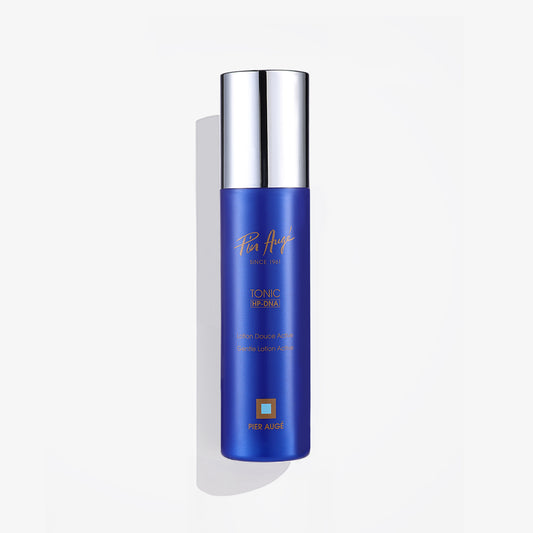
Dry skin lacks both water and oil, so the best mask will address both deficiencies simultaneously. Cream masks and sleeping masks are your most effective formats. Look for ingredients like hyaluronic acid to attract water, and ceramides, squalane, and fatty acids to lock it in. An overnight mask that functions as the last layer of your routine can prevent transepidermal water loss during sleep, when skin naturally dehydrates. The Pier Augé PDRN Skin Barrier Repair Set is specifically engineered for this purpose, layering the hydrating Active Tonic (containing hyaluronic acid and PDRN) under the Douce Aura Overnight Mask for a synergistic moisture-locking effect that targets the dullness and tightness characteristic of dry skin.
Sensitive Skin
Sensitive skin demands masks that are fragrance-free, alcohol-free, and formulated with a minimal number of ingredients to reduce the risk of allergic contact dermatitis. The AAD strongly advises against using masks containing fragrance, essential oils, or physical exfoliants on sensitive skin, as these can trigger flares of redness, stinging, or full-blown irritation. Instead, look for masks centered on colloidal oatmeal, cica (Centella asiatica), panthenol, and microbiome-supporting ferments. A mask for sensitive skin should never tingle, sting, or feel cold to the point of discomfort; these sensations indicate sensory nerve irritation and a disrupted barrier. Patch-test any new mask behind your ear or on your inner arm before applying it to your entire face.
Combination Skin
Combination skin—typically oily in the T-zone and normal to dry on the cheeks—benefits most from a technique called multi-masking. This involves applying different mask formulations to different areas of the face simultaneously. For example, you might apply a salicylic acid or clay mask to the forehead, nose, and chin, while applying a soothing gel or hydrating cream mask to the cheeks. This approach respects the biological reality that different areas of your face have different sebaceous gland density and barrier needs, rather than forcing a one-size-fits-all solution.
How to Use Face Masks Correctly
Even the most expensive, beautifully formulated mask will underperform if applied incorrectly. The order of application, the condition of your skin before masking, and what you do after rinsing are all critical variables that determine the efficacy of the treatment. It is not just about what the mask contains; it is about creating the conditions for those ingredients to work optimally.
Pre-Mask Preparation
Preparing your skin for a mask is perhaps the most overlooked step in the entire process. You should never apply a treatment mask to skin that still has traces of makeup, sunscreen, or daily grime on it. The occlusive nature of a mask will drive that surface debris and any bacteria sitting on your skin deeper into the pores, which can trigger breakouts. A thorough double cleanse is ideal. Start with an oil-based cleanser to dissolve waterproof formulas and sebum; a product like the Pier Augé Total Cleansing Oil uses Sunflower and Jojoba oils to lift impurities without stripping the barrier. Follow with a gentle water-based cleanser, like the sulfate-free Pier Augé Cleansing Cream SAVON, which maintains a pH-balanced, hydrated canvas.
After cleansing, consider gently exfoliating with a soft, damp washcloth or a very mild enzymatic exfoliant. Removing the buildup of dead corneocytes allows the mask's active ingredients to reach the living layers of the epidermis more directly. However, if you are using a mask with potent actives like retinoids, AHAs, or BHAs, you should skip any additional exfoliation to avoid over-sensitizing your skin.
Application Tips
Apply masks evenly and generously with clean fingers or a soft silicone brush. A brush can help you achieve a more uniform layer without wasting product, as less formula gets absorbed into your fingertips. The thickness of application matters. Masks, particularly clay and cream masks, should be applied thickly enough that the skin is not visible underneath. If you apply a clay mask too thinly, it will dry too quickly and begin pulling moisture out of your skin rather than just oil. For sheet masks, smooth the sheet from the center of your face outward to eliminate air bubbles, which create gaps where the serum cannot reach your skin.
Never leave a clay or peel-off mask on longer than the recommended time. Once a clay mask starts to crack, it has begun to draw its moisture from the skin itself. Sleeping masks, like the Pier Augé Douce Aura Overnight Mask, are the exception. This formula is engineered to melt from a white cream into a transparent, breathable veil over about 10 to 15 minutes. You can either massage in the excess after 15 minutes for an instant dewy glow, or leave it untouched overnight. Clinical data on this specific product shows a +52.69% radiance boost within just 15 minutes of application.
Frequency Recommendations
The AAD guideline on frequency is clear: limit face mask use to once per week or once per week and a half to prevent barrier damage. Overusing masks—especially exfoliating, clay, or peel-off varieties—is one of the fastest ways to develop irritant contact dermatitis and a compromised moisture barrier. However, certain masks are gentle enough for more frequent use. Hydrating sleeping masks, particularly those without strong exfoliating actives, can be used two or three times per week, or even nightly during periods of intense skin stress or winter dryness. For instance, the Douce Aura formula is designed to be used either as a weekly treatment mask or as a daily night cream depending on your skin's needs, offering the flexibility to adjust frequency without risking over-treatment.
Post-Mask Care
What you do after removing your mask is just as important as the mask itself. For rinse-off masks, use lukewarm water—never hot—to gently massage the residue away. Hot water strips the freshly treated skin of its natural oils, immediately negating some of the benefits. Pat your skin dry instead of rubbing. Immediately follow with your routine serums and a moisturizer to seal in the benefits. This is the critical window when your skin's permeability is slightly elevated, meaning that the next layer of active ingredients you apply will also penetrate more deeply. If you have used an overnight mask, like the Pier Augé Firming Tri-Active Cream, which is designed for day and night use, you can layer it directly over the mask or use it as the mask itself to create a comprehensive repair cycle.
Face Mask Myths vs. Facts
Navigating the world of face masks requires separating aesthetic theatre from physiological fact. The beauty industry is rife with myths that, at best, waste your money and, at worst, damage your skin.
Myth: A mask that stings or burns means it is working. Fact: A mask that stings is signaling irritation, not efficacy. Tingling from ingredients like menthol, peppermint, or high-percentage alcohol is a sign of sensory nerve activation and potential barrier disruption. Effective actives like peptides and PDRN should feel soothing or neutral on the skin, not aggressive.
Myth: You should use a face mask every day for the best results. Fact: Over-masking is a common cause of perioral dermatitis and barrier damage. The skin's barrier function requires time to regenerate its lipid matrix. Constantly imposing an occlusive environment or repeatedly stripping oils with daily clay masks can lead to chronic dehydration, increased sensitivity, and breakouts.
Myth: Charcoal masks can permanently remove blackheads. Fact: Charcoal and clay masks can adsorb surface oil and temporarily minimize the appearance of sebaceous filaments (often mistaken for blackheads), but they cannot permanently change the size or function of your pores. Blackheads that persist after consistent salicylic acid use may require professional extraction and prescription retinoids.
Myth: All face masks essentially do the same thing. Fact: This is perhaps the most misleading assumption. Different mask formats and ingredients have radically different physiological effects. A hydrating sheet mask adds water to the stratum corneum, a clay mask removes oil, and a PDRN-rich sleeping mask stimulates collagen transcription. Using a clay mask when your skin barrier is already damaged will worsen the problem, while using a heavy cream mask on active, inflamed cystic acne can clog pores further. The question what is face mask in skin care and what is the right one for you are inseparable; one defines the other.
Frequently Asked Questions
How often should I use a face mask?
For most skin types, using a face mask once or twice per week is the sweet spot. The specific frequency depends on the mask type: gentle hydrating masks and certain overnight formulas can be used up to three times weekly, while clay, charcoal, and exfoliating masks should be limited to once per week to avoid stripping the skin barrier. If you experience any redness, stinging, or increased oiliness after masking, reduce the frequency immediately. Pay attention to seasonal changes; your skin may tolerate more masks in humid summer months and fewer during dry winter conditions.
Can I use multiple face masks at once?
Yes, a technique called multi-masking allows you to apply different masks to specific areas of your face simultaneously. This is ideal for combination skin—for example, a clay mask on the oily T-zone and a hydrating mask on the dry cheeks. Multi-masking recognizes that different facial zones have varying pore sizes, oil gland density, and barrier needs. Just ensure you are not combining irritating actives in overlapping areas, and thoroughly rinse each zone according to its mask's instructions.
Do face masks expire?
Yes, face masks absolutely expire and using an expired product can be risky. The preservative systems in skincare are designed to prevent bacterial and fungal growth for a limited time. Once a mask passes its expiration date or the Period After Opening (PAO) symbol—indicated by an open jar icon with a number followed by "M"—the preservatives may no longer be effective. This is particularly dangerous for jar-packaged creams and sheet masks soaked in water-based serums, which can harbor bacteria that lead to infections or folliculitis.
Is it better to use a face mask before or after shower?
After a shower is generally the ideal time to apply a face mask, but with an important caveat about water temperature. The steam from a lukewarm shower can soften the stratum corneum and slightly dilate pores, making the skin more receptive to the active ingredients in your mask. However, if your shower is very hot, the steam and heat can actually trigger capillary dilation and inflammation in sensitive skin, so stick to warm rather than scalding water. Apply your mask immediately after patting your face dry, while the skin is still slightly damp, to lock in the remaining surface water with your mask's humectants.
Can face masks replace my moisturizer?
No, with very few exceptions, face masks should not replace your daily moisturizer. Most masks are designed for rinse-off application and provide a temporary infusion of ingredients that must be sealed in with a moisturizer afterward. Even leave-on sleeping masks, while they function as an occlusive final layer during the night, are typically too rich or treatment-focused to serve as a balanced, all-day moisturizer under makeup and sunscreen. The Pier Augé Douce Aura Overnight Mask is a rare example of a product flexible enough to be used as a daily night cream or a weekly intensive treatment, but during the daytime, your skin still requires a dedicated moisturizer and broad-spectrum SPF.
Conclusion
Understanding what are face masks for skincare brings you closer to using them as they were intended: precise, targeted treatments rather than impulsive, occasional treats. When you choose a mask based on your skin's current condition, backed by evidence-based ingredients rather than marketing trends, you transform a simple product into a strategic tool for improving barrier function, hydration, and radiance. The science is clear: masks work because they enhance ingredient penetration through occlusion and extended contact time, but this same mechanism means that choosing the wrong ingredients or overusing masks can backfire.
The most effective approach to masking is restraint and specificity. A clay mask once a week for oily congestion, a peptide-rich sleeping mask two nights per week for anti-aging, or a cica gel mask after sun exposure for calming—each has its place. Products that merge advanced regenerative technology with dermatologist-approved safety profiles, like Pier Augé's PDRN mask technology, represent the direction modern masking is heading: away from harsh, stripping formulas and toward skin-identical repair that works with your biology, not against it. Whatever mask you choose, remember that it is the synergy between preparation, application, and post-mask sealing that ultimately determines whether you wake up to the glowing skin you intended.