

What Do Collagen Masks Do? Benefits, Science & How They Work
12 Jun 2026
0 comments
Key Takeaways
-
Collagen masks primarily hydrate and temporarily plump skin, improving texture and radiance.
-
Native collagen molecules are too large to penetrate deep into skin; hydrolyzed collagen peptides offer better absorption.
-
Long-term collagen benefits come from stimulating your own fibroblasts, not from applying topical collagen alone.
-
PDRN technology represents a regeneration-first approach that activates the skin's intrinsic repair mechanisms.
-
Consistent use of collagen masks can reduce visible fine lines by up to 27% and boost hydration by 59%, according to a 2024 clinical study.
What Do Collagen Masks Do? Understanding the Basics
Many people ask, what do collagen masks do for the skin that a regular moisturizer cannot? The answer lies in their unique delivery system and formulation. A collagen mask is not just a hydration boost—it is a targeted treatment that addresses visible signs of aging, dehydration, and uneven texture by leveraging the structural proteins your skin naturally loses over time.
Collagen, the most abundant protein in the human body, forms the scaffolding that keeps skin firm, resilient, and elastic. Dermatologist Rina Allawh, M.D., reminds patients that after age 20, the skin produces approximately 1% less collagen each year. By the time most people reach their 30s and 40s, the cumulative loss translates into visible fine lines, sagging, and a loss of youthful bounce. This is precisely where the question what does a collagen mask do becomes critical—not as a permanent fix, but as a strategic tool for skin maintenance.
What Is a Collagen Mask?
A collagen mask is a skincare treatment infused with collagen proteins, typically delivered via a sheet, gel, cream, or hydrogel format that molds to your facial contours. Unlike basic hydrating masks, these formulations are designed to create an occlusive barrier that traps moisture and forces active ingredients deeper into the epidermal layers.
According to licensed esthetician Emme Diane Burg, "Collagen masks are a great remedy for helping create a firmer, smoother complexion." She clarifies that "despite the name, the masks themselves don't directly stimulate collagen production. Instead, they work by delivering intense hydration, which helps plump up the skin, improve elasticity, and support the skin's natural barrier."
Board-certified dermatologist Ellen Marmur, M.D., reinforces this scientific reality: "Using a collagen face mask can improve hydration, smoothness, and temporary firmness, but it does not directly increase the skin's natural collagen levels." This distinction matters for setting realistic expectations about what does collagen mask do for skin over time.
How Does It Differ from Other Masks?
What sets collagen masks apart from clay, charcoal, or standard sheet masks is their protein-based composition. While charcoal masks draw out impurities and excess oil, collagen masks focus on reinforcing and hydrating. The collagen molecules—or more effectively, hydrolyzed collagen peptides—work to fill microscopic gaps in the skin's outer layer, creating an immediate smoothness that other mask types don't provide.
What Does a Collagen Mask Do at the Molecular Level?
To truly understand how do collagen masks work, we need to examine what happens when these formulations contact your skin. The mechanism involves three interconnected processes: occlusion, humectant activity, and surface-level protein interaction.
The Molecular Weight Problem: Why Size Matters
Native collagen molecules are massive—weighing approximately 300,000 Daltons (about 300 kDa). This molecular weight is simply too large to penetrate the stratum corneum, the skin's protective outer barrier. When consumers ask what does a collagen face mask do if the molecules cannot enter deep tissue, the answer lies in its surface-level effects. Collagen masks create a breathable film that reduces transepidermal water loss (TEWL), instantly making skin appear plumper and more hydrated.
A 2024 clinical study published in the Journal of Cosmetic Dermatology confirmed this mechanism. Researchers tested a native collagen sheet mask containing over 92% pure bovine collagen and documented a 59% increase in skin hydration after just 20 minutes of application. The mask also reduced periorbital wrinkle depth by approximately 27% after four weeks of consistent twice-weekly use. These results demonstrate that even large-molecule collagen confers significant benefits through hydration and barrier support. You can review the full study on the Journal of Cosmetic Dermatology website.
Hydrolyzed Collagen vs. Native Collagen
The distinction between native collagen and hydrolyzed collagen is where many what do collagen face masks do questions find clarity. Hydrolyzed collagen, also called collagen peptides, has been enzymatically broken down into smaller fragments weighing between 500 and 5,000 Daltons. These smaller peptides can penetrate the upper layers of the epidermis more effectively than their intact counterparts.
Research published in the Encyclopedia of Collagen Hydrolysates confirms that while native collagen cannot cross the stratum corneum, hydrolyzed collagen peptides can reach deeper epidermal layers and provide antioxidant activity by stabilizing free radicals. The lower the molecular weight of these peptides, the greater their electron-donating capacity and protective potential. This explains why formulations listing "hydrolyzed collagen" deliver more than just surface hydration. For more details on molecular penetration, the Encyclopedia of Collagen Hydrolysates provides a scientific overview of peptide sizes and their transdermal efficiency.
How Collagen Peptides Interact with Skin
When hydrolyzed collagen peptides reach the outer epidermis, they serve as humectants—attracting and binding water molecules. Simultaneously, the occlusive nature of a collagen sheet mask prevents that water from evaporating. The result is a short-term plumping effect that visibly softens fine lines and creates that coveted post-facial glow.
However, what does a collagen face mask do beyond hydration? The 2024 clinical study revealed that the native collagen mask maintained skin microbiome diversity and shifted skin pH toward a healthier acidic range. These secondary benefits support overall skin health in ways that extend beyond simple moisture delivery.
What Does a Collagen Face Mask Do for Different Skin Types?
The versatility of collagen masks means they benefit nearly every skin type—but the specific outcomes vary depending on your skin's baseline condition.

Dry and Dehydrated Skin
For parched complexions, what does collagen mask do for skin is primarily about moisture rescue. The occlusive barrier seals hydration into the skin, while humectant ingredients like glycerin and hyaluronic acid pull water from the environment. Clinical data shows hydration levels can surge by 45-59% after a single session, making these masks indispensable for dry climates or winter months.
Aging and Mature Skin
When skin shows visible signs of aging, what does a collagen face mask do becomes a question of texture refinement. The 27% reduction in wrinkle depth documented in the 2024 study speaks directly to mature skin concerns. By plumping fine lines with moisture and tightening the skin's surface temporarily, collagen masks create a smoother canvas. These improvements are temporary, but consistent weekly use sustains the benefits.
Oily and Acne-Prone Skin
People with oily skin often worry that collagen masks will feel heavy or clog pores. In reality, what do collagen masks do for this skin type is provide lightweight hydration without added oils. The barrier-strengthening effect can actually help regulate sebum production by preventing the over-drying that triggers compensatory oiliness. Users should select gel-based or hydrogel masks formulated without comedogenic ingredients.
Sensitive Skin
Collagen masks are particularly valuable for sensitive skin because they contain few potential irritants. The 2024 study specifically noted good tolerability even in subjects with atopic dermatitis-prone skin, with zero adverse events reported. The anti-inflammatory properties of hydrolyzed collagen and the cooling sensation of sheet masks can soothe redness and reactivity.
How Do Collagen Masks Work for Anti-Aging and Firmness?
The anti-aging mechanism behind collagen masks is more sophisticated than simply "adding collagen back" into the skin. Understanding this nuance answers what does collagen mask do for those seeking lasting results.
Hydration and Plumping Effects
The immediate anti-aging benefit is visual plumping. When a collagen mask saturates the stratum corneum with moisture, skin cells swell slightly. This micron-level expansion pushes against each other, effectively ironing out superficial fine lines and creating the appearance of increased volume. Estheticians often observe this effect immediately after mask removal—skin looks smoother, tighter, and more luminous.
Temporary Firmness vs. Long-Term Benefits
Here, transparency is essential. What does a collagen mask do that lasts beyond an hour? The occlusive film left behind by many collagen masks continues to reduce water loss for several hours after removal. This sustained hydration maintains skin suppleness. However, the firming effect is temporary because the collagen molecules themselves do not integrate into the dermal matrix where real structural support occurs.
Dr. Marmur emphasizes this in her clinical assessment: "Any long-term collagen benefits come from additional active ingredients in the mask, such as peptides or antioxidants, rather than from the collagen itself." This is why discerning what do collagen face masks do requires examining the full ingredient panel, not just the collagen claim.
Clinical Evidence: What Studies Show
The 2024 Journal of Cosmetic Dermatology study provides the most rigorous evidence to date. Beyond the hydration and wrinkle reduction metrics, researchers found that the collagen sheet mask outperformed pre-soaked cellulose sheet masks in both hydration longevity and wrinkle reduction. This indicates that the collagen itself—not just the occlusive environment—contributed to the therapeutic effect, likely through the release of collagen peptides smaller than 2,000 Daltons that can penetrate skin tissue.
What Does Collagen Mask Do for Skin? Key Benefits
Synthesizing the research and clinical observations, here are the five primary benefits that answer what does collagen mask do:
-
Deep hydration and moisture retention — Collagen masks deliver intensive hydration that penetrates beyond the surface, with proven increases of 45-59% in skin moisture content after a single application.
-
Temporary plumping and fine line softening — By swelling skin cells with hydration and forming a light film, collagen masks visibly reduce fine lines and create a smoother complexion, with studies showing up to 27% wrinkle depth reduction.
-
Improved skin texture and smoothness — The combination of occlusion and peptide activity refines uneven texture, making skin feel silkier and appear more even under makeup.
-
Barrier support and soothing — Collagen formulations protect the moisture barrier and have been shown to reduce UV-induced erythema more effectively than after-sun lotion, according to the 2024 study.
-
Enhanced radiance and glow — Immediate brightness results from improved circulation and light reflection off a smoother, hydrated surface, erasing dullness and fatigue.
How to Use a Collagen Mask for Best Results
Maximizing what does a collagen face mask do for your skin requires proper application and frequency.
Choosing the Right Formula
Look for masks containing hydrolyzed collagen or collagen peptides, which penetrate better than native collagen. Formulations enriched with complementary ingredients like hyaluronic acid, glycerin, niacinamide, and soothing botanicals amplify hydration and barrier benefits. If anti-aging is your goal, prioritize masks that also include peptides or antioxidants, which provide the longer-term benefits that collagen alone cannot.
Application Tips
Cleanse skin thoroughly before application—removing oil, makeup, and debris ensures optimal contact. Unfold the mask carefully and smooth it onto your face, pressing gently to eliminate air bubbles. Leave on for 15–20 minutes, or follow package directions. Do not rinse after removal; instead, pat the remaining serum into your skin and follow with a moisturizer to seal in the benefits.
Frequency Recommendations
For most skin types, using a collagen mask two to three times weekly yields visible improvements in hydration and texture without overwhelming the skin. Those with very dry or dehydrated skin can increase to daily use during harsh seasons, while oily complexions may prefer a once-weekly ritual. Consistency matters—the 2024 study's wrinkle reduction results came from twice-weekly applications over four weeks.
Beyond Collagen Masks: Ingredients That Truly Boost Collagen
If your goal is genuine, lasting collagen production, understanding what do collagen masks do—and their limitations—points you toward complementary strategies.
Why Topical Collagen Has Limits
Despite impressive hydration benefits, topical collagen cannot fundamentally alter the dermis because the molecules are too large to reach fibroblasts, the cells responsible for synthesizing new collagen. This scientific ceiling means that while what does collagen mask do for skin includes wonderful short-term improvements, it cannot replace collagen lost to aging at the source.
Ingredients That Stimulate Collagen Synthesis Naturally
To stimulate your own collagen production, look for ingredients like retinoids, vitamin C, peptides, and alpha hydroxy acids in your serums and creams. These compounds signal fibroblasts to ramp up collagen synthesis from within. When used alongside collagen masks, they create a well-rounded strategy—masks for immediate hydration and plumping, actives for long-term regeneration.

PDRN: The Regeneration-First Approach
An emerging category that addresses collagen at the cellular level is PDRN (Polydeoxyribonucleotide) technology. Unlike topical collagen, PDRN acts as a biomimetic signal that activates the skin's intrinsic regeneration pathways. A 2025 clinical trial published in the Journal of Cosmetics, Dermatological Sciences and Applications demonstrated that PDRN significantly restored collagen I/III and elastin expression in UV-damaged fibroblasts by activating PI3K-Akt and TGF-β signaling. In a 28-day trial with 33 women, PDRN-containing formulations increased dermal density by 8.67%, reduced wrinkle volume, and decreased under-eye bag volume by 18.42%.
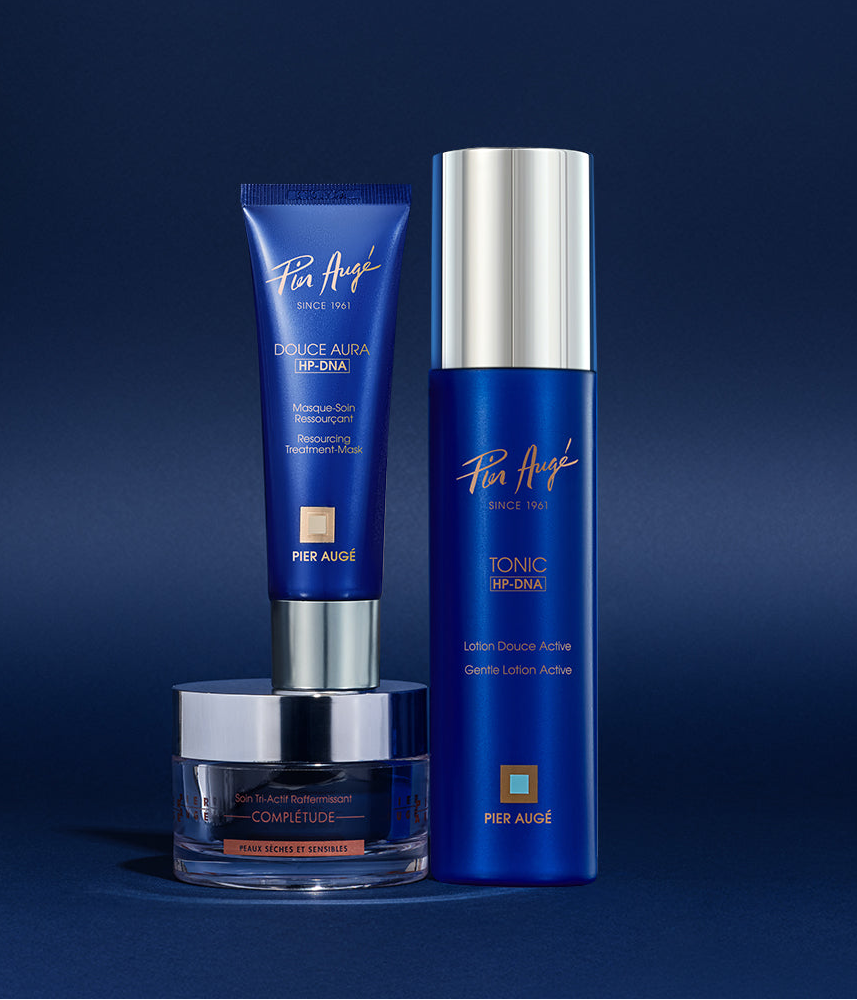
Pier Augé, a French pharmaceutical heritage brand founded in 1961, was among the first to incorporate high-purity PDRN into skincare in 1979. Their Douce Aura Overnight Mask exemplifies this regeneration-first philosophy, blending institution-grade PDRN with Arctic Cloudberry and Omega fatty acids to support skin recovery and visible firmness. Clinical testing revealed that within 14 days, users experienced a 20.69% reduction in wrinkles, a 14.82% plumping effect, and a 45.86% hydration surge after a single use. For those who have wondered what does a collagen mask do and felt limited by surface-level results, PDRN-based overnight masks offer a deeper mechanism—supporting the skin's memory of youth rather than merely coating its surface.
The combination of collagen masks and PDRN treatments is worth exploring. Use a collagen sheet mask for pre-event radiance, then integrate an overnight PDRN mask two to three evenings per week for cumulative dermal repair and collagen synthesis support. This layered approach addresses both the immediate and lasting dimensions of aging skin.
Frequently Asked Questions
Do collagen masks actually work?
Yes, collagen masks work for hydration, temporary plumping, and texture improvement. A 2024 clinical study confirmed a 59% increase in hydration and a 27% reduction in wrinkle depth with consistent use. However, they do not replace lost collagen at the dermal level—their benefits are primarily surface-level.
How often should I use a collagen face mask?
Most experts recommend two to three times per week for maintenance. For intensive repair or very dry skin, daily use during periods of extreme dehydration is acceptable. Oily skin types may prefer once-weekly application to avoid over-hydration.
Can collagen masks cause breakouts?
Topical collagen itself is unlikely to clog pores, but some masks contain additional ingredients like oils or fragrance that may trigger acne in sensitive individuals. Choose non-comedogenic formulas and patch-test new products before full-face use. The 2024 clinical study reported no adverse events, even in participants with atopic dermatitis-prone skin.
What is the difference between collagen mask and sheet mask?
A collagen mask specifically contains collagen proteins or peptides as active ingredients, while a standard sheet mask typically relies on hyaluronic acid, glycerin, and botanical extracts for hydration. Collagen masks create a subtle occlusive film that standard masks do not, potentially extending hydration benefits.
Are collagen masks good for acne scars?
Collagen masks can improve the overall texture and smoothness of skin, which may soften the appearance of shallow or post-inflammatory acne scars. However, they will not remodel deep scar tissue or indentations. For significant scarring, treatments like microneedling, laser therapy, or PDRN serums that activate dermal repair are more appropriate.
Can I use a collagen mask every day?
While safe for most skin types, daily use is generally unnecessary. The hydration benefits plateau with consistent twice-to-three-times-weekly use. If you choose daily application, select a gentle, fragrance-free formula and monitor your skin for any signs of sensitivity or congestion.
Conclusion
Collagen masks deserve their place in a solid skincare routine—not as miracle wrinkle erasers, but as powerful hydration tools that deliver immediate radiance and support skin barrier function. The clinical evidence is clear: what do collagen masks do includes boosting moisture by up to 59%, softening fine lines by 27%, and creating the smooth, dewy complexion we all crave.
Yet for truly lasting firmness and elasticity, the science points toward activating your skin's own regenerative capacity. This is where ingredients like retinoids, vitamin C, and PDRN become essential partners. By combining the instant gratification of collagen masks with treatments that stimulate collagen synthesis from within, you honor both the skin's surface and its deeper needs. Explore Pier Augé's PDRN mask technology and give your skin the signal it needs to remember its own vitality.