

PDRN vs Retinol: Which Is Better for Sensitive Skin?
29 Jul 2026
0 comments
If you simplify skincare goals into two broad categories, one is improving texture, fine lines, and breakouts more quickly, and the other is helping skin feel calmer, stronger, and more stable first. In that sense, retinol and PDRN often represent two very different skincare approaches.
Here’s the short answer first: PDRN and retinol are not direct substitutes, and it’s not accurate to say one is universally better than the other.
A better way to look at it is this: retinol is more associated with resurfacing and skin renewal, while PDRN is more associated with repair and recovery. The right choice depends on your skin type, your tolerance level, and what your skin needs right now.

What Retinol Is Best Known For
Retinol is best known for helping improve photoaging, fine lines, uneven skin texture, and acne-related concerns. In skincare, retinoids are widely recognized for their role in improving signs of sun damage and fine wrinkles, especially around the eye area. Topical retinoic acid has also been associated with collagen formation and visible histological improvement in photodamaged skin.
In other words, retinol may be the more natural fit if your main goals are:
-
fine lines and wrinkles
-
visible pores and rough texture
-
acne or clogged pores
-
a more obvious “resurfacing” effect
If your focus is skin renewal and visible texture correction, retinol is often the ingredient people turn to first.

Where Retinol Can Be Harder for Sensitive Skin
The challenge with retinol is that its benefits often come with a retinization period, meaning your skin may need time to adjust. Common side effects associated with retinoids include redness, dryness, peeling, and irritation, and that adjustment phase can be especially difficult for sensitive skin. In warmer months, heat and sun exposure may also make visible redness and dryness feel even more noticeable.
That does not mean sensitive skin can never use retinol. But in most cases, retinol tends to be a better fit for people who:
-
already have a relatively stable skin barrier
-
are willing to start slowly and build tolerance over time
-
can accept some initial dryness or mild flaking
What PDRN Is Better Known For
By comparison, PDRN is more often discussed in the context of skin repair, wound healing, recovery from photoaging, and support for new collagen formation. It has been widely associated with cutaneous wound healing and neocollagenesis in photoaged skin. In other words, PDRN is more often understood as a repair-first ingredient, rather than a high-irritation resurfacing active.
PDRN may make more sense if your skin concerns are more often linked to:
-
dryness, tightness, or visible redness
-
post-sun discomfort
-
an unstable or stressed skin barrier
-
wanting to help skin feel comfortable and balanced again before pushing for stronger resurfacing results

In a branded context, the meaning of PDRN can also be shaped by history. In the case of Pier Augé, brand materials state that the brand introduced HP-DNA (high-purity PDRN) into skincare as early as 1979 and has continued to use it in repair-focused product systems ever since. That means PDRN is not framed here as a recent trend claim, but as part of a long-established repair direction.
So Which One Should Sensitive Skin Choose?
For sensitive skin, the best ingredient is usually not the most popular one—it is the one your skin can realistically tolerate in its current condition.
You may want to consider retinol first if:
-
Your main concerns are fine lines, pores, acne, or uneven texture
-
Your skin is not currently stuck in a cycle of redness, stinging, or barrier damage
-
You are willing to start with low frequency and build tolerance slowly
You may want to consider PDRN first if:
-
Your skin is more prone to dryness, redness, tightness, itching, or instability
-
You have been dealing with post-sun fatigue, barrier stress, or visible sensitivity
-
You would rather focus on gentle repair first than jump straight into strong resurfacing
The Most Useful Way to Think About It
Instead of asking, “Is PDRN better than retinol?”, a more useful question is:
-
Do you need repair right now, or resurfacing?
-
Is your skin in a stable phase, or a fragile phase?
-
Is your goal to see faster texture improvement, or to help your skin feel calm and balanced first?
That is why the more responsible conclusion is not that PDRN is better than retinol, but that they are designed for different strengths, different skin states, and different moments in a routine.
And based on the currently available public information, most of the evidence looks at their separate research and use cases. There is not enough direct head-to-head evidence to support a blanket claim that one is overall superior to the other.
A Gentler PDRN-Led Routine
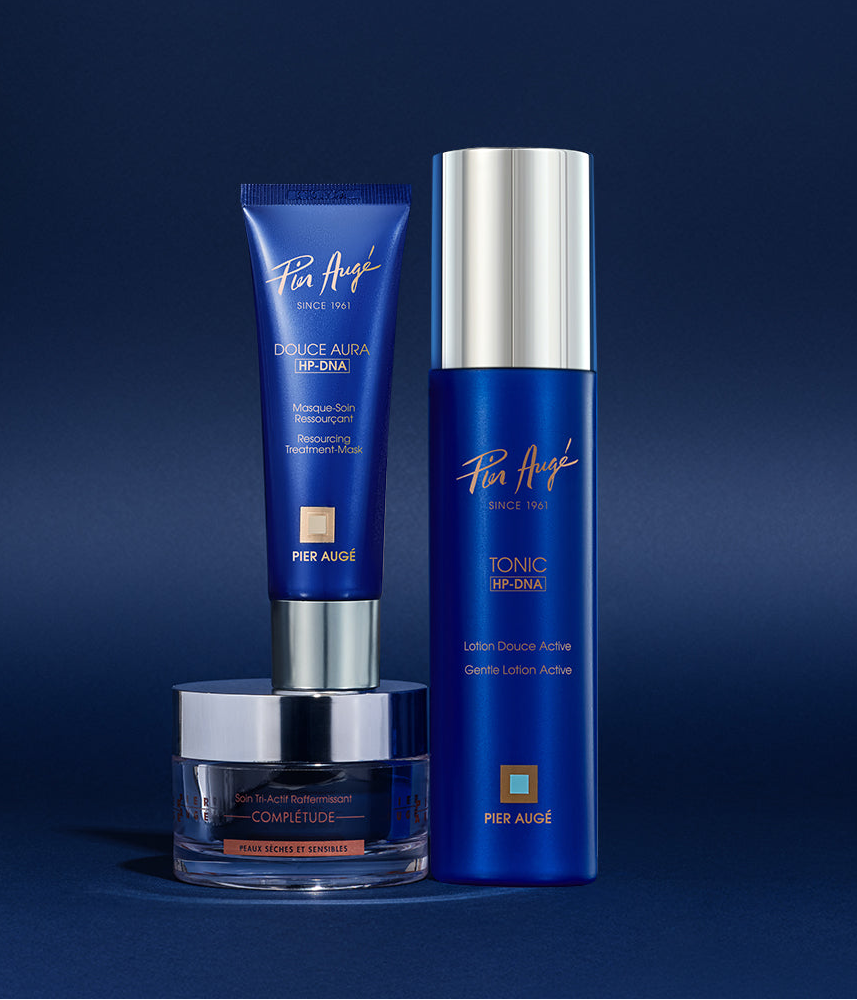
If your skin is better suited to a gentle repair-first approach right now, the Pier Augé routine logic offers a softer entry point:
-
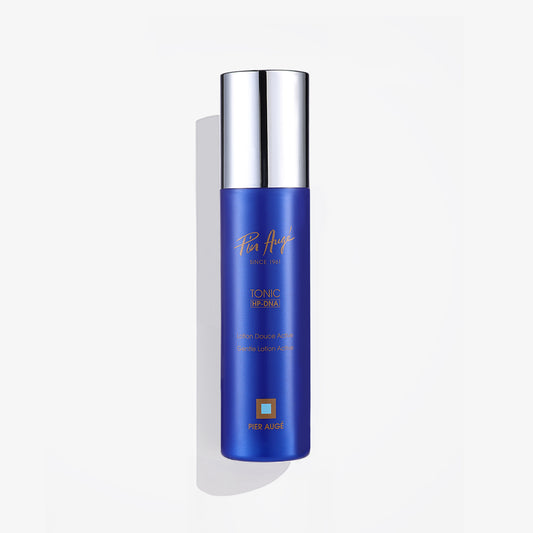
TONIC: a daily prep step focused on hydration, soothing, and repair
-
Douce Aura: better suited for overnight recovery and skin comfort
-
COMPLÉTUDE: designed for skin that needs a richer, more advanced level of repair support
This kind of routine may make more sense for people who are not ready for stronger actives, or who want to help their skin feel more stable before adding anything more intensive.
Conclusion
If retinol is the high-performance resurfacing option, then PDRN is often the gentler repair-focused option.
They do not serve exactly the same purpose, so the decision should not come down to which one sounds more powerful. It should come down to:
-
how much your skin can tolerate right now
-
whether your current priority is repair or resurfacing
-
whether your main issue is texture and signs of aging, or dryness, sensitivity, and barrier instability
For sensitive skin, the smartest choice is usually not the strongest one. It is the one your skin can actually live with, benefit from, and stay consistent with over time.