Skip to content

Welcome to our store

Currency

Skincare Tips

Do Black Face Masks Remove Blackheads? The Science of Charcoal Masks

13 Jun 2026 0 comments
If you’ve ever searched for a fast way to clear stubborn pores, you’ve probably asked: does a black face mask remove blackheads? The answer is more nuanced than a simple yes or no. Charcoal-infused masks have become a go-to for those battling oily skin and plugged pores, but understanding how they actually work—and where they fall short—can make the difference between a satisfying skincare ritual and a frustrating experiment.
This deep dive explores the science behind do charcoal masks remove blackheads, weighs them against other proven treatments, and walks you through exactly how to use a black face mask to remove blackheads without damaging your skin. Along the way, we’ll look at real clinical findings, dermatologist insights, and how to support your skin after masking for the best long-term clarity.

Key Takeaways

  • What blackheads really are: Open comedones filled with oxidized sebum and dead skin cells; the dark color is oxidation, not dirt.
  • Charcoal’s real job: Activated charcoal adsorbs (binds to) excess oil and surface debris, but it doesn’t dissolve the plug deep inside the pore.
  • Temporary fix: A charcoal mask visibly clears pores and reduces shine for a day or two, but the effect resets as sebum refills.
  • Best format: Wash-off clay-charcoal masks (with kaolin or bentonite) deliver more reliable oil absorption than peel-off varieties.
  • Smart use matters: Limit wear-time to 10–15 minutes and hydrate thoroughly afterwards to avoid rebound oiliness.
  • Skin barrier care is non-negotiable: After stripping away oils, replenish with a barrier-repairing, PDRN-rich overnight mask to maintain balance.

Do Charcoal Masks Remove Blackheads? What the Science Says

The promise is enticing: smear on a jet-black paste, let it dry, and peel or rinse away clogs. But do charcoal masks remove blackheads in a way that lasts? The short answer is yes—but only temporarily, and only when used correctly as part of a consistent routine. To understand why, we need to break down what blackheads are and how activated charcoal actually behaves on skin.

Illustration showing how blackheads form inside clogged pores

What Are Blackheads (Open Comedones)?

Blackheads, medically known as open comedones, are hair follicle openings that have become plugged with a mixture of sebum (your skin’s natural oil), keratin, and dead skin cells. The tip of the plug turns dark because the sebum oxidizes when it meets the air—not because dirt is trapped inside. This oxidation process gives blackheads their characteristic dark appearance and makes them stubbornly visible, especially on the nose, chin, and forehead.
Unlike inflamed pimples, blackheads sit at the surface of the pore and aren’t surrounded by redness or infection. This is precisely why charcoal masks can make a visible difference: they work at the pore surface, where the oxidized plug is directly accessible.

How Activated Charcoal Adsorbs Pore Cloggers

Activated charcoal is created by heating carbon-rich materials (like bamboo, wood, or coconut shells) to extremely high temperatures in the presence of gas. This process creates a porous internal structure with a massive surface area, giving charcoal its well-known ability to adsorb—that is, bind molecules to its surface rather than absorb them into its structure. As dermatologist Dr. Corey L. Hartman explains, "Activated charcoal made from wood, coal, or other substances that have been combined with gas or other activated ingredients at high temperatures … expands its surface area," enabling it to trap impurities like oil and debris.
When you apply a charcoal mask, the activated charcoal acts like a magnet for the excess sebum sitting in and around open comedones. Coupled with clays like kaolin or bentonite—which swell when hydrated and draw out positively charged debris through electrostatic attraction—the mask physically lifts that oxidized gunk to the surface. Once you rinse or peel off the mask, the pore opening appears tighter and cleaner.
However, this is a surface-level, short-lived effect. A review published in the International Journal of Community Medicine and Public Health notes that while activated charcoal is widely used in face masks and cleansers for its adsorbing properties, limited clinical evidence exists specifically for acne and blackhead treatment, and more rigorous trials are needed to confirm its efficacy. In practice, charcoal masks remove what’s at the surface and reduce shine, but they don’t alter the underlying rate of sebum production or dissolve the plug deep within the pore. The pore-minimizing effect typically resets within 1–2 days as the follicle begins to refill.

How Charcoal Masks Compare to Other Blackhead Treatments

If you’re serious about clearing blackheads, it’s worth understanding how a black face mask to remove blackheads stacks up against the gold-standard ingredients and methods recommended by dermatologists. The table below outlines the key differences in mechanism, effectiveness, and practicality.
Treatment
Primary Mechanism
Effect on Blackheads
Best For
Drawbacks
Charcoal Mask
Adsorption of surface oil and debris; clay co-action
Temporary visible clearance; pores re-plug within 1–2 days
Mild blackheads, oily skin, weekly maintenance
Can dry skin; no effect on deep plugs; peel-off types risk micro-tears
Salicylic Acid (BHA)
Lipid-soluble exfoliant that penetrates pores and dissolves dead skin cells and sebum
Gradual, lasting reduction when used consistently
All skin types; stubborn blackheads & acne
May cause initial dryness or purging; requires daily use
Clay Mask (Kaolin/Bentonite)
Absorption of excess oil; negative charge draws impurities
Similar surface-level clearing, temporary
Oily and combination skin
Can be drying; not charcoal-specific
Retinoids (OTC or Rx)
Accelerate cell turnover, normalize follicle lining, and reduce sebum
Long-term prevention and gradual elimination
Stubborn, recurring blackheads; also anti-aging
Irritation, sun sensitivity; prescription required for stronger forms

Charcoal Mask vs. Salicylic Acid

Salicylic acid is a beta hydroxy acid (BHA) that can dissolve the “glue” holding dead cells together inside the pore because it’s oil-soluble. It gets right to the source of the blackhead, not just the surface. By contrast, a charcoal mask adsorbs what’s already there without changing the pore’s internal environment. For real change, many dermatologists recommend pairing a salicylic acid serum or cleanser with weekly charcoal masking.

Charcoal Mask vs. Clay Mask

A clay mask without charcoal still draws out oil and debris through absorption and ionic attraction. In fact, many so-called charcoal masks rely on their clay base for the bulk of the oil-absorbing power—charcoal often acts as a supporting adsorbent and marketing ingredient. The DermApproved analysis of a popular charcoal clay mask noted that the triple-clay system (kaolin, bentonite, montmorillonite) constitutes approximately 18% of the formula, while charcoal is present at 1%, highlighting that the clays do the heavy lifting. So a well-formulated clay mask can be just as effective, if not more so, than a charcoal mask that uses a single clay at a low concentration.

Charcoal Mask vs. Retinoids

Retinoids (retinol, adapalene, tretinoin) work at the cellular level to regulate follicle behavior, reducing the formation of new blackheads over weeks to months. No mask—charcoal or otherwise—can match that preventative power. That said, charcoal masks offer an instant, satisfying cosmetic improvement that retinoids can’t deliver in one session. Many skin-savvy people use both: retinoids at night for long-term clarity, and a charcoal mask weekly for an immediate deep clean.

Which Type of Charcoal Mask Works Best for Blackheads?

The effectiveness of a black face mask remove blackheads strategy depends heavily on the mask format you choose. Not all charcoal masks are created equal, and some carry risks that outweigh the short-term satisfaction.

Peel-Off Charcoal Masks

Peel-off masks feel dramatic—you spread a viscous black layer, wait for it to dry into a rubbery film, and peel it away, hopefully lifting blackheads along with it. However, dermatologists caution that the peeling action can remove not just debris but also the top layers of healthy skin cells, causing micro-tears and compromising the skin barrier. According to a dermatologist-reviewed analysis, peel-off charcoal masks can lead to barrier disruption and irritation, especially if used too frequently. While a single use may temporarily clear sebaceous filaments, the potential for damage makes these masks a less advisable option for regular blackhead care.

Wash-Off Clay-Charcoal Masks

This is the most dermatologist-recommended format. A mask that combines activated charcoal with genuine clay (kaolin, bentonite, or montmorillonite) provides two complementary mechanisms—adsorption from charcoal and oil absorption from clay—without the trauma of peeling. The DermApproved review reports that a wash-off clay-charcoal mask can deliver visible pore-clearing results after a single 10-minute application, and the fragrance-free formula reduces irritation risk. Look for options with an 18% or higher clay load to ensure the mask has enough muscle to lift oil and debris effectively.

Sheet Masks with Charcoal

Charcoal sheet masks are soaked in essence and primarily deliver hydration while the charcoal fibers or charcoal powder in the serum may offer mild adsorption. They’re gentler and less likely to dry out the skin, but they’re far less potent at clearing blackheads than a leave-on clay-charcoal mask. Consider these as a supplementary step for hydration rather than your primary blackhead-fighting tool.

How to Use a Charcoal Mask for Blackhead Removal

Getting the most out of your mask—without paying for it with irritation—comes down to proper technique. Below is a numbered guide you can follow every session.
  1. Cleanse first. Always start with a gentle, non-stripping cleanser to remove surface dirt, sunscreen, and makeup. This ensures the charcoal and clay can directly contact the pores rather than sitting on top of a layer of grime.
  2. Pat dry lightly. Your face should be clean and slightly damp—this helps the mask spread evenly and keeps the clay from pulling moisture too quickly out of the skin.
  3. Apply a thin, even layer. Using clean fingers or a soft brush, spread the mask across your T-zone and any other blackhead-prone areas. Avoid the delicate eye area and lip contours. A thick layer prolongs drying time unnecessarily and can increase dryness without boosting results.
  4. Set a timer. The magic window is 10–15 minutes. Use this time to relax, but don’t let the mask fully crack and tighten to the point of discomfort.
  5. Rinse gently with lukewarm water. Wet your fingertips and massage in circular motions to help further dislodge debris while the mask dissolves. Avoid scrubbing; the goal is to rinse, not abrade.
  6. Pat dry and proceed to aftercare. Immediately apply a hydrating toner and a nourishing moisturizer to reseal the barrier.

How Long to Leave It On

The 10–15 minute rule is dermatologist-endorsed for a reason. Leaving a charcoal mask on longer doesn’t extract more blackheads; instead, it strips the skin’s natural oils, which can trigger a protective overproduction of sebum and leave your skin feeling parched and tight. The NecoleBitchie guide emphasizes that over-extended wear can “strip the skin of its natural oils, leading to dehydration and irritation,” and paradoxically increase oil production in the long run. If your skin begins to sting or feel overly stretched before the 15-minute mark, rinse it off immediately.

Frequency Recommendations

For most skin types, once or twice a week is the sweet spot. Oily skin may tolerate up to three times weekly, but start slow and monitor how your skin responds. Overuse crosses the line from helpful exfoliation to chronic barrier damage. If you’re also using a salicylic acid treatment, a spot-removing toner, or a retinoid, scale back your mask frequency to avoid over-processing.

What to Do After a Charcoal Mask for Best Results

Post-mask care can make or break your blackhead routine. Immediately after rinsing, your skin is in a hyper-absorbent state and temporarily vulnerable. Slathering on a rich, barrier-repairing product not only soothes any tightness but also locks in the results you just achieved.
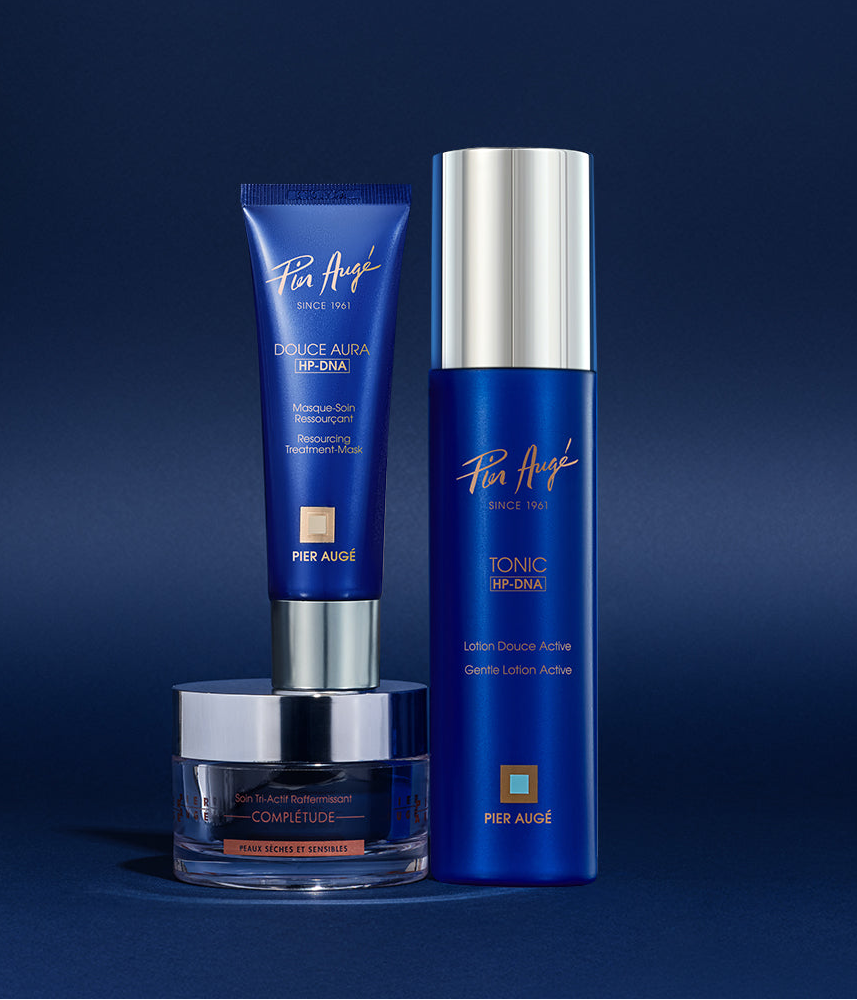
Instead of reaching for a lightweight lotion that may not be enough, consider an overnight repair mask that works while you sleep. Pier Augé's Douce Aura Overnight Mask fits perfectly into a post-charcoal routine. It's infused with High-purity PDRN (a institution-grade DNA complex with 98% similarity to human DNA) alongside Omega-6 and -9 fatty acids, Bisabolol, and Shea Butter. After charcoal masking, apply a pea-sized amount; it transforms into a transparent veil that deeply replenishes lost moisture and reinforces the skin's regenerative capacity. In an independent clinical test, 92% of users reported more hydrated skin after just one use, and participants saw a 45.86% hydration surge within 15 minutes—exactly the kind of rapid barrier relief your skin craves after a clay-charcoal session.
For deeper barrier support after a charcoal mask session, Pier Augé's PDRN mask technology uses institution-grade DNA fragments to signal skin cells to repair and regenerate overnight. For those with truly sensitive skin that can't tolerate charcoal masks at all, the Douce Aura mask can be used solo as a weekly intensive treatment to improve overall skin texture and reduce the appearance of pores without any drying or peeling.

Frequently Asked Questions

Do charcoal masks actually remove blackheads permanently?

No. Charcoal masks provide temporary, surface-level clearing. Once the mask is removed, the pore opening appears tighter, but the sebaceous gland continues producing oil, and within 1–2 days the pore often refills. Permanent elimination requires consistent exfoliation with ingredients like salicylic acid or prescription retinoids, along with a well-rounded skincare regimen.

How often should I use a charcoal mask for blackheads?

For most people, once or twice a week is effective and safe. If your skin is excessively oily, you could try three times a week, but always watch for signs of over-drying, irritation, or rebound oiliness. Pairing the mask with a hydrating, barrier-strengthening product like the Pier Augé Douce Aura Overnight Mask can help counteract any moisture loss.

Can charcoal masks make blackheads worse?

Indirectly, yes. If you overuse a charcoal mask or leave it on too long, your skin can become dehydrated. In response, your sebaceous glands may produce even more oil to compensate, leading to rebound oiliness that could plug pores more readily. Using the mask in moderation and always replenishing moisture afterwards prevents this cycle.

Are peel-off charcoal masks safe for blackhead removal?

They carry more risk than wash-off masks. The peeling action can strip healthy skin cells and cause micro-tears in the barrier, especially with frequent use. While a single application might give a dramatic visual result, dermatologists generally recommend wash-off clay-charcoal masks as a gentler, equally effective alternative.

What ingredients work best alongside charcoal masks for blackheads?

Salicylic acid (BHA) is the perfect partner because it penetrates pores to dissolve the internal plug that a charcoal mask can’t reach. Retinoids help regulate cell turnover over the long term. For post-mask recovery, look for products with PDRN, niacinamide, bisabolol, and fatty acids to calm and rebuild the barrier—ingredients found in treatments like the Pier Augé Douce Aura Overnight Mask.

Do charcoal masks work for sebaceous filaments?

Yes, but again only temporarily. Sebaceous filaments have a similar plug of oil and debris to blackheads, just without the oxidation. A charcoal mask can clear the tips, making pores look less noticeable for a day or two. The same advice applies: pair the mask with a BHA exfoliant for longer-lasting clearance and always follow with a nourishing, barrier-strengthening product.

Conclusion

A well-formulated black face mask to remove blackheads can certainly give you that satisfying, visibly cleaner-pore effect—but it’s a supporting player, not a solo act. The science shows that charcoal adsorbs surface impurities, while clay pulls oil, offering a temporary deep-clean that resets quickly. To make those results last, you need a routine that includes consistent exfoliation and disciplined hydration. After every mask session, replenish your skin’s moisture bank with a reparative product like the Pier Augé Douce Aura Overnight Mask, which uses DNA-level PDRN technology to restore the barrier and lock in the glow. Because true skin clarity isn’t about stripping your skin to the bone—it’s about restoring balance, mask by mask, night by night.


Prev post
Next post

Leave a comment

All blog comments are checked prior to publishing

Shop the look

Choose options

Pier Augé USA
Sign up to receive 200 points for your first order.
20 Points = $1 Reward
Edit option
Compare
Product SKU Description Collection Availability Product type Other details

Choose options

this is just a warning
Login
Shopping cart
0 items
0%