

Best Hydrating Face Mask for Flights: How to Choose
If you want the best hydrating face mask for flights, a familiar leave-on cream mask is the most practical all-around choice. It applies much like a moisturizer and does not require a mid-flight rinse when used as directed. You do not have to wear a mask in your seat at all.
Below, you can compare cream, sheet, and hydrogel formats, choose when to use one, and pack it without turning travel day into an elaborate routine.
Why Your Skin Can Feel Parched at Cruising Altitude
Cabin air is genuinely dry. A National Academies review of the airliner cabin environment reported that most aircraft cabins were typically around 10–20% relative humidity, with averages of 15–19% depending on the aircraft. Passengers and crew reported skin dryness or irritation, and discomfort increased with longer exposure.
That's the whole story in one paragraph. Aircraft vary, and the review dates to 2002, so treat it as context rather than a precise prediction for your flight. The takeaway is simple: if you're prone to tight, dry skin when you travel, a little extra hydration is a reasonable comfort measure.
Which Hydrating Mask Format Should You Choose?

Leave-on Cream Masks — The Low-Fuss Choice
A leave-on cream mask is the most discreet option. You apply it like a rich moisturizer, let it absorb, and forget about it. There's no fabric to manage, no rinsing required, and once it settles, it's nearly invisible.
This format can suit long-haul or overnight travelers, middle-seat passengers, and anyone who prefers a less visible step. Check the label to confirm how much to apply and whether the formula should replace or follow your moisturizer.
Sheet Masks — Convenient but High-Visibility
Sheet masks are single-use and easy to pack, which makes them a favorite for travel. But wearing one in a seat is a commitment. You're visibly wearing a wet fabric on your face, which can feel awkward in a crowded cabin. Fit matters too — a mask that slides around is more annoying than helpful.
If you're comfortable masking publicly, a sheet mask can work. Check the label for wear time and whether to pat in the remaining serum, rinse, or continue with another product.
Hydrogel and Gel Masks — The Middle Ground
Hydrogel masks sit between sheet and cream. They're often sticky enough to stay put, and many formulas soak in without rinsing. The trade-off is texture: some people love the cooling feel, while others find the gel residue distracting.
Before you buy, check the package size, the fit, and whether your skin tolerates the ingredient list. A gel mask that doesn't suit your skin is a wasted seat-back pocket.
What to Leave at Home
Clay and exfoliating masks are usually a poor match for a hydration-focused travel routine. Stick to familiar products and save a new or more intensive treatment for a day when you can see how your skin responds at home.
Before, During, or After the Flight?
Here's the honest answer: a hydrating mask is optional, and the timing is about your comfort, not a rule. Choose the moment that fits your flight type.
Before boarding is ideal if you'd never mask in a seat. Cleanse, apply your hydrating layers, and finish with SPF. You get the benefit without the audience.
In the seat works if you're comfortable with it. Clean or sanitize your hands first, use a familiar no-rinse cream or a sheet mask exactly as directed, and avoid turning your tray table into a full spa setup. This is where a leave-on cream shines — it's a one-step move that doesn't disrupt your neighbors.
After landing is a perfectly valid alternative. Refresh with a familiar mask or moisturizer in your hotel room. Your skin doesn't know or care whether the mask happened at 35,000 feet or at the check-in desk.
Wherever you choose to mask, remember that it's one step in a larger routine. If you're unsure where a mask fits alongside your serums and moisturizers, our guide on when to use a face mask in your skincare routine can help you place it correctly.
A Simple, Seat-Friendly Routine

- Start clean. Wash your face before boarding when possible. If you can't, a few swipes of micellar water in the airport restroom work fine.
- Clean your hands before touching your face, whether you're applying a mask or simply adjusting it.
- Use one familiar hydrating step. Avoid stacking several new products on travel day; bringing your usual routine reduces the chance of an unexpected reaction.
- Follow the mask label. Respect the wear time and don't leave a sheet mask on longer than directed. Our guide on how long to keep a face mask on covers the basics.
- Apply SPF for daytime travel. The American Academy of Dermatology's travel guidance recommends broad-spectrum, water-resistant SPF 30 or higher. Lowering the airplane window shade is also part of sun protection.
That's it. Clean hands, one familiar product, and sunscreen.
How to Pack Your Mask and Keep It TSA-Happy
Packing a hydrating mask is straightforward once you know the rules. Under the current TSA 3-1-1 liquids rule, carry-on liquids, gels, creams, and pastes are generally limited to containers of 3.4 oz (100 ml) or less, and all of them must fit in one quart-size clear zip-top bag.
A 50 ml leave-on cream mask is within that container-size limit. If you're packing a serum-soaked sheet or hydrogel mask, place it with your liquids when required or when you are unsure. Keep the quart bag accessible and recheck TSA guidance before flying, because rules and final screening decisions can change.
One clarification: a skincare mask is not a protective face covering. This guide concerns hydration, not respiratory protection.
Traveler Experience: What Customers Notice About a Cream-Mask Feel
Texture is a real deciding factor when you're choosing a mask for travel. A formula that feels heavy or greasy is hard to wear in a seat. Customers who have tried a cream-style overnight mask often describe a texture that behaves more like a familiar night cream than a traditional mask.
— C. W., verified customer
That kind of quick-settling feel can matter when you want fewer steps and less visible residue. It is one customer's texture observation, not a promise of flight-specific results, but it is useful context when comparing a cream with a sheet format.
An Overnight Travel Option: Douce Aura Leave-On Cream Mask
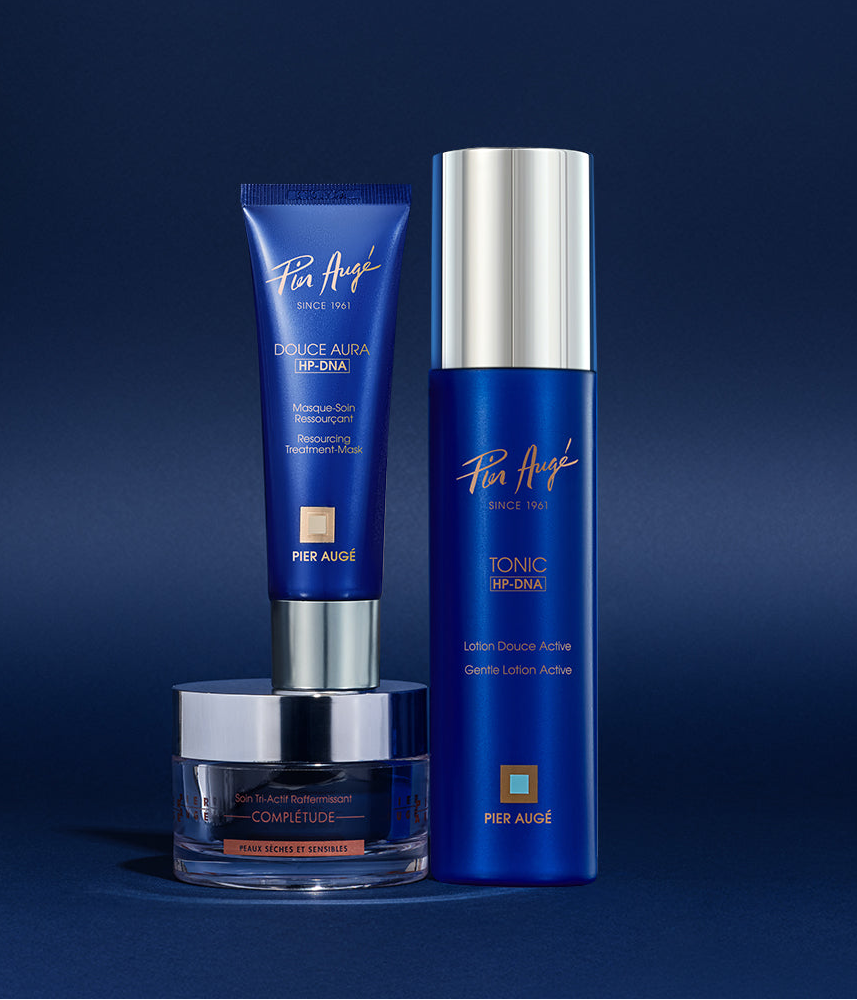
If you're looking for an example of the leave-on cream format, consider the Douce Aura Overnight Mask. It is a 50 ml leave-on overnight cream mask, so its container size is under the current US 100 ml carry-on limit. Use it according to the current product label, including the amount, routine order, and overnight directions. No flight-specific result is implied; the value here is a compact, travel-ready, no-rinse format.
View Douce Aura Overnight Mask
Frequently Asked Questions
Are cream masks better than sheet masks on a plane?
Neither format is universally better. Cream masks are more discreet and don't require rinsing, while sheet masks are single-use and easy to pack. Your choice depends on whether you're comfortable wearing a visible mask in your seat and how much mess you're willing to manage.
Do I need to wear the mask during the flight, or can I use one before boarding?
You don't need to wear a mask during the flight at all. Using one before boarding or after landing is a perfectly valid alternative. Choose the timing that fits your comfort level and flight type.
Will my face mask fit in my carry-on?
Under current TSA rules, carry-on liquids, gels, and creams are generally limited to 3.4 oz (100 ml) containers in one quart-size clear bag. A 50 ml cream container is within that limit. Pack serum-soaked masks with your liquids if required or if you are unsure how they will be screened.
Do I still need sunscreen if I'm flying or mostly indoors?
Yes. The American Academy of Dermatology recommends broad-spectrum, water-resistant SPF 30 or higher while traveling, even if you're mostly indoors. Lowering the window shade is also part of sun protection during a flight.
Should I try a new mask on travel day?
It is better to stick with familiar products when you travel. A new mask can feel uncomfortable or trigger an unexpected reaction when you are far from home. Save first-time testing for a calmer day.