

PDRN Salmon in Skincare: Animal vs Plant PDRN
07 Aug 2026
0 comments
When people search PDRN Salmon or pdrn skincare, they are usually not asking whether PDRN is just another trending ingredient. What they really want to know is this: if the goal is repair, comfort, skin stability, and relief for dryness or fatigue, should they choose traditional salmon-derived PDRN or a newer plant or vegan PDRN alternative?
Here’s the short answer: animal PDRN and plant PDRN are not simply better or worse than each other. They represent two different ways of thinking about skincare ingredients.
If you value history, repair credibility, and a more established source story, PDRN Salmon is still the direction most consumers recognize and trust. If you care more about cruelty-free positioning, sustainability, and newer biotech routes, plant-based or vegan PDRN may feel more aligned.
What Is PDRN Salmon?
PDRN is an active made up of DNA fragments, and its classic source has traditionally been salmon, trout, or chum salmon sperm DNA. It is closely associated with tissue repair, wound-healing support, anti-inflammatory benefits, and recovery-focused anti-aging. Its mechanism is often discussed in connection with the adenosine A2A receptor and the nucleotide salvage pathway.
Because of that source story and repair history, salmon PDRN has long carried a strong repair-first identity in skincare. It is not typically positioned as a harsh resurfacing ingredient. Instead, it is more often associated with helping skin feel calmer, more stable, and more comfortable.
Animal PDRN vs Plant PDRN
1. Why Salmon PDRN Still Matters
Salmon-derived PDRN has a longer history in medical repair, aesthetic medicine, and skincare. Over time, it became one of the most recognizable ways consumers learned to understand PDRN in the first place.
Some industry materials also point out that salmon DNA has a high degree of similarity to human DNA, and that its biocompatibility and purification processes are more familiar to the market. For consumers, that means the value of PDRN Salmon is not simply that it comes from fish. It is that it carries an already-established repair narrative.
In other words, salmon PDRN still feels familiar because people have already learned to associate it with repair-led skincare, post-stress recovery, and barrier support.
2. Why Plant or Vegan PDRN Is Growing
At the same time, plant-derived, fermentation-based, and biotech-developed PDRN routes are growing quickly.
Their main advantages tend to include:
-
a stronger cruelty-free and vegan appeal
-
more stable and scalable sourcing
-
more controlled production around purity and fragment length
In the U.S. market especially, the appeal of vegan PDRN is closely tied to consumer interest in cruelty-free beauty. Some K-beauty brands have also already begun exploring rose PDRN and other plant-forward PDRN concepts, which shows how quickly this category is evolving.
For shoppers who care as much about ingredient ethics and sourcing as they do about performance, plant PDRN can feel like a more modern direction.
3.Animal PDRN vs Plant PDRN: Where the Difference Really Is
| Category | Salmon-Derived PDRN | Plant / Vegan PDRN |
| Typical Source | Traditionally derived from salmon, trout, or chum salmon DNA | Developed through plant-based, fermentation-based, or biotech routes |
| Main Consumer Appeal | Established repair history and stronger market familiarity | Cruelty-free positioning and newer biotech appeal |
| How It Is Commonly Framed | Often associated with classic repair-first skincare | Often associated with ethical sourcing and innovation |
| Best Known For | A more established role in repair-focused PDRN skincare narratives | A newer alternative for users who prefer vegan or non-animal ingredient stories |
| Why Some Users Prefer It | Familiar source story, mature repair positioning, long-standing recognition | Better aligned with vegan values, sustainability, and modern ingredient preferences |
| Formula-Level Appeal | Often valued for its classic regenerative and recovery-focused identity | Often valued for controlled production and supply-chain flexibility |
| Current Limitation in the Public Conversation | May not appeal to users seeking cruelty-free skincare | Still newer in market education and not yet as universally recognized as salmon PDRN |
| Best Fit For | Users drawn to heritage repair skincare and classic PDRN references | Users prioritizing cruelty-free beauty and next-generation biotech skincare |
| Most Accurate Way to View It | A classic and recognizable repair-first reference | A newer cruelty-free direction in the PDRN category |
This is why the comparison is less about declaring one version the winner, and more about understanding what each source represents in skincare: salmon PDRN carries stronger repair familiarity, while plant PDRN reflects a newer cruelty-free direction.
4. The Real Difference Is More About Pathway Than Winner
This is the most important point.
Based on the current public conversation, the strength of plant or vegan PDRN is mainly tied to ethics, sustainability, and sourcing innovation, while the strength of salmon PDRN is tied more to history, classic repair positioning, and mature consumer recognition.
That is why the smartest way to frame the comparison is not to say one has already won.
A more accurate summary is:
Salmon PDRN remains the most recognizable repair reference in pdrn skincare, while plant PDRN reflects the newer cruelty-free direction.
A Repair-First PDRN Skincare Routine
If your skincare priorities are less about intense resurfacing and more about helping skin recover from stress, dryness, and instability, PDRN often makes the most sense inside a repair-first routine.
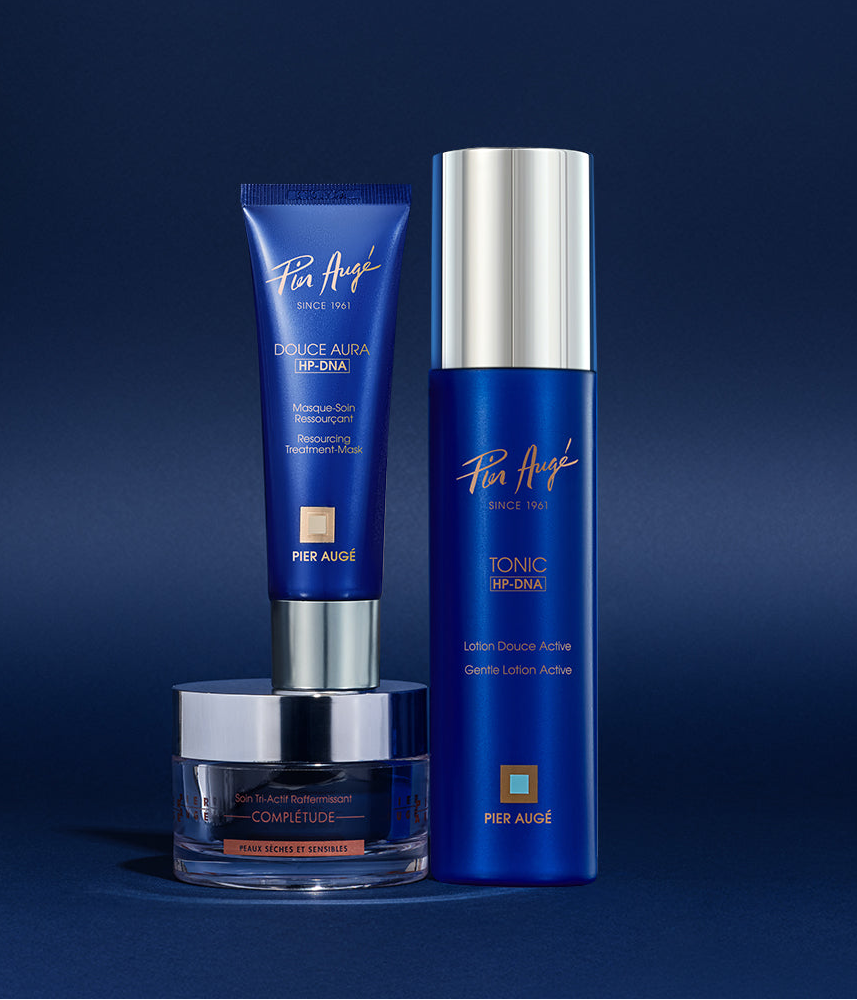
In the Pier Augé product logic, one natural pairing is:
-
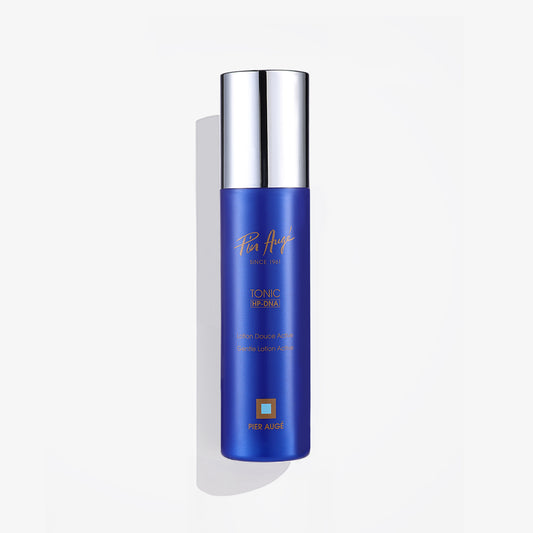
TONIC: a prep step that helps bring skin into a more hydrated, soothed, and repair-ready state
-
Douce Aura: a night treatment that fits the idea of a PDRN MASK or overnight mask, supporting skin overnight with a more recovery-focused approach
This kind of pairing makes sense because many users searching pdrn skincare, PDRN MASK, or overnight mask are really looking for one thing: a routine that helps skin feel restored, not pushed.
Conclusion
PDRN Salmon continues to hold value in skincare not just because the ingredient sounds novel, but because it still represents one of the most established repair-first directions in the category.
Plant and vegan PDRN absolutely reflect the priorities of a newer generation of skincare users, especially those who care about cruelty-free positioning and supply-chain sustainability. But in terms of public recognition, repair history, and skincare education, salmon PDRN remains one of the most classic and recognizable sources in pdrn skincare.
If your skincare priorities are:
-
gentle repair
-
overnight recovery
-
helping skin return to comfort and stability first
then it may matter less whether the source is animal or plant, and more whether the routine truly supports your skin’s current condition.
For those needs, the pairing of TONIC + Douce Aura may offer more practical value than simply chasing a trending ingredient term.