

What Do Charcoal Masks Do? Understanding the Basics
09 Jun 2026
0 comments
Key Takeaways
-
Charcoal masks use activated charcoal’s unique adsorption property to bind and remove oil, dirt, and impurities from pores.
-
They are most effective for oily and acne-prone skin, particularly for reducing blackheads and controlling excess sebum.
-
Overuse can strip the skin barrier — limit application to 1–2 times per week and always follow with barrier-supporting skincare.
-
Pairing charcoal masks with regenerative ingredients like PDRN can restore hydration, support post-treatment recovery, and maintain long-term skin health.
What Do Charcoal Masks Do? Understanding the Basics
Charcoal masks are skincare treatments infused with activated charcoal as the key active ingredient. Their primary function is deep pore cleansing: they are designed to draw out excess sebum, dirt, makeup residue, and environmental pollutants that daily cleansers often leave behind. Unlike a regular face wash, a charcoal mask stays on the skin long enough to penetrate the surface and pull impurities from within pores, making it a more intensive form of purification.
There are several types of charcoal masks available:
-
Peel‑off masks: Dry down and physically grip surface debris, blackheads, and dead skin cells. When peeled away, they remove this layer along with the mask itself, offering immediate visible results — but they can be harsh on the skin barrier.
-
Wash‑off/clay‑based masks: Combine activated charcoal with clays like kaolin or bentonite to absorb oil and deep‑clean pores more gently. These are rinsed away with water, making them less physically aggressive than peel‑off formulas.
-
Sheet masks: Infused with charcoal extract, these provide a hydrating and purifying treatment in a single step, suitable for a milder detox.
While each type works a little differently, all charcoal masks share one common mechanism: they use the adsorptive power of activated charcoal to cleanse the skin at a deeper level than a daily cleanser.
What Does a Charcoal Mask Do at the Molecular Level?
To truly understand what does a charcoal mask do, we need to look at the science of activated charcoal. Activated charcoal is produced by heating carbon‑rich materials — such as coconut shells, bamboo, or wood — in the presence of a gas at temperatures between 600°C and 900°C. This process creates a highly porous internal structure with an enormous surface area. One gram of activated charcoal can have a surface area exceeding 3,000 square meters — roughly the size of 10 tennis courts, as explained by cosmetic chemist Michelle Wong on Lab Muffin Beauty Science source.
But it's not just about surface area. Charcoal works through adsorption, not absorption. Think of it like a magnet: the negatively charged surface of activated charcoal attracts positively charged impurities, including dirt, oil, and bacteria, causing them to stick. This electrostatic attraction allows the mask to lift debris out of pores. When the mask is rinsed or peeled away, those impurities are removed along with it.
A 2018 clinical study published in the Journal of Cosmetic Dermatology found that participants using activated charcoal cleansers had 63% less pollutant residue on their skin compared to those using conventional cleansing methods. While this study focused on cleansers, it underlines the powerful binding ability of activated charcoal — the same property that makes masks so effective at clearing congested pores.
Further research has shown that charcoal‑based skincare products can help manage oily and congested skin, with clinical studies reporting measurable reductions in sebum and acne lesions over an 8‑week period source. This is what makes charcoal masks one of the most reliable over‑the‑counter tools for managing oily, congested skin.
What Does a Charcoal Face Mask Do for Different Skin Types?
Not all skin responds to charcoal masks in the same way. What does a charcoal face mask do exactly will depend heavily on your skin type, and choosing the right formula is essential for getting the benefits without irritation.
Oily skin: Charcoal masks are especially beneficial here. Activated charcoal absorbs excess sebum, reduces surface shine, and helps minimize the appearance of pores. A clay‑charcoal mask used 1–2 times per week can significantly control oil and keep pores clear.
Acne‑prone skin: Charcoal helps remove the excess oil that feeds acne‑causing bacteria (Cutibacterium acnes). By lifting trapped sebum and dead skin cells from pores, charcoal masks may help prevent closed comedones and reduce the frequency of breakouts. However, dermatologists caution that charcoal masks are not a treatment for hormonal or cystic acne — they work best as an adjunct for mild acne and oily skin source.
Combination skin: The T‑zone often produces more oil, while the cheeks remain normal or dry. Wash‑off charcoal masks can be applied only to the oily areas, targeting congestion without drying out the rest of the face. Look for formulas with added humectants like glycerin to prevent over‑stripping.
Dry or sensitive skin: Charcoal masks can be too drying. If you have dry skin, use a hydrating charcoal sheet mask or a cream‑based wash‑off formula no more than once a week. Sensitive skin types should always patch test first — activated charcoal itself is gentle, but some masks contain fragrances, alcohol, or astringent extracts that may cause irritation. A Cosmetic Ingredient Review (CIR) assessment in 2023 confirmed that plant‑derived charcoal is safe for cosmetic use, but individual sensitivity to other ingredients is still a consideration source.
When asking what does the charcoal face mask do for your specific skin, the answer lies in how you choose and use the product. The right formula, frequency, and post‑mask care make all the difference.

How Do Charcoal Masks Work for Blackheads and Acne?
Blackheads form when sebum and dead skin cells plug an open hair follicle and oxidize upon contact with air, turning dark. Charcoal masks target this buildup directly. Because activated charcoal adsorbs oil, the mask can physically lift the sebaceous plug from the pore opening. Peel‑off charcoal masks are particularly satisfying for blackhead removal: as the mask dries and is peeled away, it pulls out the oxidized material along with surface impurities.
Acne is more complex, but the core contributors — excess oil, dead skin cells, and bacteria — are exactly what charcoal masks can help address. By removing the oil that bacteria feed on, charcoal masks create a less favorable environment for breakouts. However, the effect is largely on the surface and within the uppermost part of the pore. A dermatologist‑reviewed source emphasizes that charcoal masks work via adsorption of surface oil and loose debris, but they do not shrink pores permanently, kill acne bacteria deep within the follicle, or treat hormonal acne source.
So what are charcoal masks good for when it comes to breakouts? They’re excellent for preventing comedonal acne — those tiny flesh‑colored bumps and blackheads — and for managing oily shine. For inflammatory acne or persistent cysts, they should be part of a broader routine, not the sole solution. Wash‑off clay charcoal masks are generally safer for ongoing acne management, as they avoid the physical stress of peeling that can aggravate active lesions.
What Is Charcoal Mask Good For? Key Benefits
So what is charcoal mask good for beyond oil control? Here are the six most important benefits, backed by both research and real‑world use:
-
Deep pore cleansing — Charcoal reaches deeper than daily cleansers, drawing out trapped dirt, makeup residue, and environmental pollutants that clog pores. This detox effect can leave skin visibly brighter and clearer.
-
Excess oil control — Activated charcoal can absorb up to 200 times its own weight in impurities, making it highly effective at reducing surface oil and shine. Regular use helps regulate sebum levels.
-
Blackhead and whitehead reduction — By de‑gunking pores, charcoal masks minimize the formation of new comedones and visibly reduce existing ones, particularly around the nose and chin.
-
Makeup and pollutant removal — Even after cleansing, traces of makeup and environmental pollutants can remain. Charcoal acts like a magnet, pulling these residues out and leaving the skin truly clean.
-
Improved skin texture — The gentle exfoliation from wash‑off charcoal masks removes dead skin cells, smoothing rough patches and refining the look of pores. Over time, skin feels softer and more even.
-
Enhanced absorption of subsequent products — Clean, decongested pores allow serums and moisturizers to penetrate better. This is why a charcoal mask often preps the skin for a more effective post‑mask routine — a step most people skip, but we’ll cover next.
What is the charcoal mask good for when it comes to limitations? It’s important to note that charcoal masks are not designed to treat deep cystic acne, erase deep wrinkles, or permanently shrink pores. Their strength lies in purification and oil control, making them a powerful weekly reset for pore‑intensive skin types.
How to Use a Charcoal Mask Properly (Without Damaging Your Skin)
Using a charcoal mask correctly is the difference between glowing skin and a compromised barrier. Follow this step‑by‑step routine to get the best results safely:
-
Double cleanse first: Start with an oil‑based cleanser to dissolve makeup and sunscreen, then a gentle water‑based cleanser. This ensures the mask has direct access to your pores.
-
Apply a thin, even layer: Avoid the delicate eye and lip areas. A thin layer is sufficient — too thick and the mask won’t dry evenly or may over‑dry your skin.
-
Follow the recommended time: Most masks should be left on for 10–15 minutes. Leaving them on longer can strip the skin and cause redness or tightness.
-
Rinse or peel gently: For wash‑off masks, use lukewarm water and soft, circular motions. For peel‑off masks, start from the edges and go slowly — never yank. If it hurts, it’s pulling live skin, not just debris.
-
Pat dry and immediately follow with recovery skincare (more on this in a moment).
Frequency: 1–2 times per week is the safe sweet spot for most people. Oily skin may tolerate twice weekly; dry or sensitive skin should limit use to once a week or less. Signs of overuse include redness, flaking, tightness, and paradoxically, increased breakouts — all indicators of a damaged skin barrier.
Precautions: Avoid charcoal masks if you have active eczema, rosacea, or open acne lesions. Peel‑off masks are especially risky on inflamed skin. A patch test behind the ear or on the jawline before full‑face application is always a smart move.
What to Do After a Charcoal Mask — The Recovery Step
While charcoal masks excel at removing impurities, they can also strip away beneficial oils and temporarily weaken the skin barrier. That tight, squeaky‑clean feeling isn’t a sign of health — it’s often a signal that your skin’s natural protective layer has been disrupted. The most important — and most overlooked — step is what comes after: recovery.
Immediately after rinsing off a charcoal mask, the skin is in a vulnerable state. Pores are open and clean, but the lipid barrier may be compromised. This is the perfect window to infuse the skin with hydration and reparative ingredients that support healing and maintain the benefits of the deep cleanse.
Post‑mask recovery should focus on two goals: replenishing moisture and repairing the barrier. Look for products that contain:
-
Hyaluronic acid: Binds water to the skin, providing immediate hydration.
-
Ceramides: Help rebuild the lipid barrier and lock in moisture.
-
Soothing agents: Bisabolol, panthenol, and allantoin calm redness and irritation.
Why PDRN Is the Perfect Post-Charcoal Recovery Ingredient
For next‑level recovery after a deep charcoal cleanse, PDRN (Polydeoxyribonucleotide) stands out as a gold‑standard reparative ingredient. PDRN is a medical‑grade DNA fragment derived from wild salmon, and it shares a remarkable 98% similarity with human DNA. This structural match allows it to act as a biomimetic signal, communicating with skin cells to activate intrinsic repair processes.
After a charcoal mask opens and deeply cleanses pores, PDRN steps in to stimulate collagen synthesis, accelerate cellular turnover, and restore the skin’s foundational structure. It goes beyond surface hydration to actually regenerate damaged tissue. Clinical testing on 33 women over 14 days using a PDRN‑powered overnight mask showed a 45.86% increase in skin hydration and a 52.69% boost in radiance — results published on the Douce Aura Overnight Mask product page. That kind of improvement shows what happens when you pair a deep‑cleanse ritual with regenerative recovery — the skin doesn't just feel clean, it actually repairs overnight.
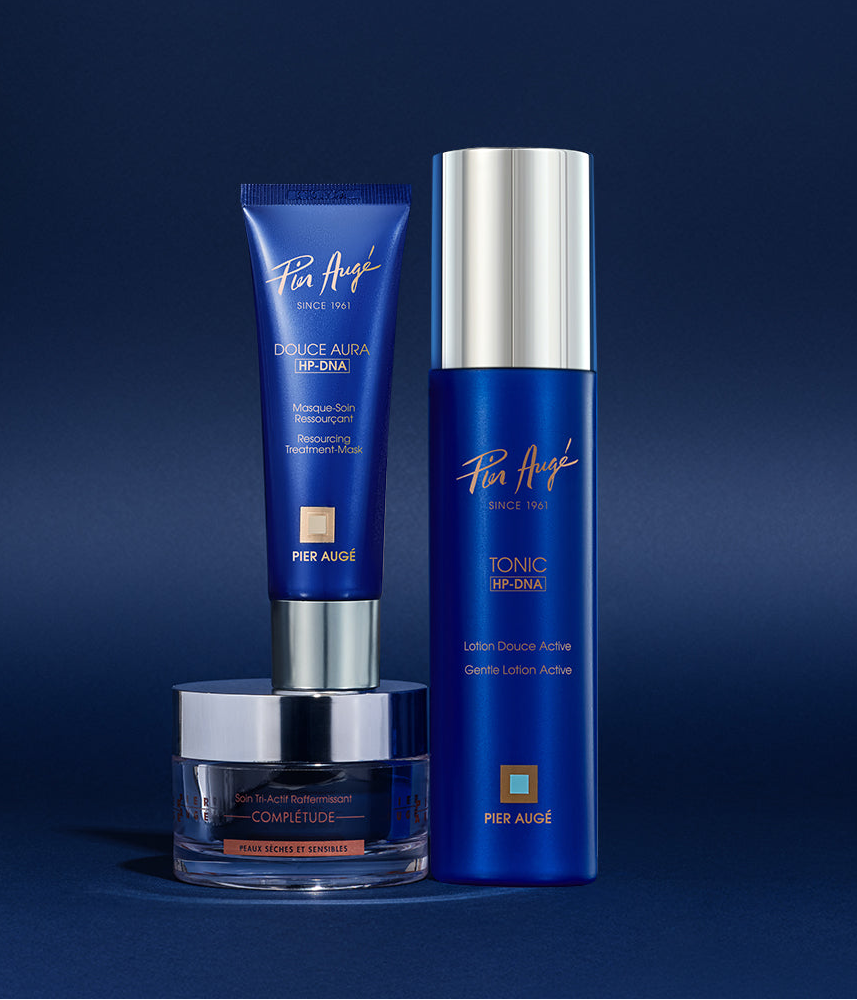
Pier Augé’s Douce Aura Overnight Mask is built around High‑purity PDRN, delivering exactly this kind of regeneration. Its snow‑melting formula glides on as a creamy veil, absorbs within 15 minutes, and works overnight without rinsing. It fits perfectly into a weekly charcoal mask routine: use the charcoal mask to decongest, then seal in the benefits with this intensive overnight repair. The mask is also infused with Arctic Cloudberry, Bisabolol, and Shea Butter to further calm and nourish stressed skin.
For a complete post‑cleanse recovery system, the PDRN Barrier Repair Set pairs the Douce Aura Overnight Mask with the Cleansing Cream SAVON, a 3‑in‑1 gentle wash that cleanses and reinforces the barrier without stripping. This combination ensures that your charcoal mask sessions are always followed by a restorative protocol that maintains skin health and prevents over‑drying. Discover the PDRN Barrier Repair Set and browse the full Pier Augé skincare collection.
Frequently Asked Questions
Do charcoal masks actually work for blackheads?
Yes, they can be effective for removing superficial blackheads. Charcoal adsorbs the oil plug in open comedones, and peel‑off or wash‑off masks lift this debris from the pore. However, they do not prevent new blackheads from forming if underlying oil production remains high, and they are not a treatment for deep or stubborn sebaceous filaments. Consistent use (1–2 times per week) combined with a proper skincare routine yields the best results.
How often should I use a charcoal face mask?
Most skin types can safely use a charcoal mask 1–2 times per week. If you have oily or thick skin, twice a week may be appropriate. Dry, sensitive, or mature skin should stick to once a week or even less, and opt for hydrating formulas. The key is to watch for signs of barrier damage such as redness, tightness, or flaking, and adjust frequency accordingly.
Can charcoal masks cause breakouts?
They can if overused or if the skin reacts to other ingredients in the formula. Over‑stripping the skin disrupts the protective barrier and can trigger irritation breakouts — often small, red bumps that look like acne but are a response to inflammation. Using a gentle, well‑formulated charcoal mask no more than twice a week and following immediately with reparative skincare dramatically reduces this risk.
Are peel‑off charcoal masks safe?
Peel‑off masks can be safe for skin that is not sensitive or inflamed, but they are more aggressive than wash‑off alternatives. They physically pull off the top layer of dead skin, and sometimes live skin, which can lead to micro‑tears. If you choose to use a peel‑off mask, avoid the eye area, never apply to broken skin, and remove slowly. People with rosacea, eczema, or very thin skin should skip peel‑offs entirely.
What should I apply after a charcoal mask?
Immediately after rinsing off a charcoal mask, apply a hydrating toner or serum containing hyaluronic acid, then lock in moisture with a barrier‑repairing cream. Products with ceramides, PDRN, and soothing ingredients like bisabolol or panthenol are ideal. If masking at night, follow with an overnight repair mask to support regeneration while you sleep.
Can I use a charcoal mask if I have sensitive skin?
Yes, but with caution. Choose a fragrance‑free, gentle formula, preferably a wash‑off mask rather than a peel‑off. Do a patch test first, limit use to once every 10–14 days, and always follow with a recovery routine that supports the barrier. If irritation occurs, discontinue use and focus on barrier repair until your skin calms.
Conclusion
So, what do charcoal masks do? They deliver a powerful, science‑backed deep cleanse — pulling out oil, dirt, and impurities that congest pores and dull the skin. They excel at managing shine, reducing blackheads, and prepping the complexion for better absorption of everything that follows. But like any potent skincare tool, they demand respect: moderation and proper post‑treatment care are non‑negotiable. Using a charcoal mask once or twice a week, and always following it with a hydrating, reparative routine, is the only way to enjoy the glow without the gamble.
That’s where ingredients like PDRN become essential. Pairing charcoal masks with a regeneration‑focused product like Pier Augé’s Douce Aura Overnight Mask creates a balanced cycle of cleanse and repair — removing buildup and then giving the skin exactly what it needs to rebuild. If you’re ready to elevate your mask ritual, explore the PDRN skincare collection and experience the difference that true recovery can make.