

PDRN Overnight Mask Guide: Night Repair with Collagen & Salmon DNA
A PDRN overnight mask is a leave-on treatment you apply as the last step before bed, designed to support hydration, comfort, and barrier health while you sleep. It won't remodel your skin like an injectable — no topical can promise that — but it can be a soothing, effective addition to a nightly routine. This guide helps you decide which format fits your skin, how to layer it safely, and what results are realistic.
What Is a PDRN Overnight Mask?
PDRN stands for polydeoxyribonucleotide, a compound made from purified nucleotide fragments. Most commercial grades come from salmon DNA, though plant-derived versions exist. It started as a wound-care compound in the 1990s, became a staple in Korean aesthetic medicine, and has since made its way into K-beauty topicals like overnight masks.
An overnight mask, as a category, is a leave-on final step. Unlike a sheet mask you remove after 20 minutes or a rinse-off clay pack, you apply it and sleep in it. The idea is simple: give your skin several uninterrupted hours with the formula.
Here's the honest part. Topical PDRN research is promising but still maturing. According to DermApproved's ingredient profile, the most defensible effects for a leave-on product are surface-level calming, hydration, and barrier support. PDRN has been studied in medical aesthetics — a 2025 systematic review in the Journal of Cosmetic Dermatology found encouraging evidence — but that research centers on injectable delivery, which is a completely different route than a mask.
Which Overnight PDRN Format Fits You?
Not all "overnight" masks work the same way. The format changes the experience, the effort, and how it fits your routine. Here's how the three main types compare.
Format |
Feel During Wear |
Effort at Night |
Morning Removal |
Best For |
|---|---|---|---|---|
Leave-on cream |
Disappears into skin |
Minimal — apply and sleep |
None needed |
Everyday convenience, layering with retinol or other actives |
Peel-off wrapping |
Dries into a film, can feel taut |
Needs even, often thicker application |
Peel from edges or rinse |
A ritual experience; you don't mind occasional peeling fuss |
Sheet or hydrogel |
May shift during sleep |
Apply over serums |
Remove and discard |
Occasional deep-hydration sessions, not nightly use |
The overnight pdrn mask category is dominated by peel-off wrapping masks, but they aren't for everyone. Beauty editors and reviewers consistently note that these films can loosen overnight and sometimes need a thick layer to peel off cleanly. A leave-on cream avoids that entirely — no peeling, no residue, no fuss.

What a Leave-On PDRN Mask Can Honestly Do for You
Set realistic expectations before you buy. A topical PDRN mask can plausibly offer:
- Comfort for skin that feels tight or reactive
- Hydration that lasts through the night
- Calming for sensitive or irritated-feeling skin
- Barrier support through surface-level effects
What it is not: a replacement for injectable treatments, and it won't deliver "overnight repair" in a structural sense. Some people notice softness and hydration quickly — that's a surface effect. Deep structural change is not a realistic promise from any leave-on cosmetic.
How to Choose a Formula for Your Skin (and Layer It with Retinol)
Choosing a PDRN night mask comes down to three checkpoints: your skin's needs, the ingredient list, and how it fits with your current actives.
Skin-fit checkpoints. If your skin runs dry, dehydrated, or barrier-focused, a richer cream formula makes sense. If you're combo or oily, look for a lighter gel-cream texture that won't feel heavy overnight.
Ingredient-list scanning. On the INCI list, look for "Polydeoxyribonucleotide" or "Sodium DNA." As a general shopping guideline, most topical formulas target roughly 0.5–1% PDRN, and industry guidance suggests anything below about 0.3% is likely a marketing line item rather than a working active. That's a useful threshold for comparing products, not a guarantee of results. For a wider look at options, browse our PDRN mask collection.
Retinol pairing. Good news: no interference is expected between PDRN and retinol. In fact, PDRN's anti-inflammatory leaning may help buffer early retinol irritation. Apply them in sequence — retinol first, then your pdrn night mask as the final step — rather than mixing them in one layer.
Who should be cautious. If you have a documented fish or shellfish allergy, patch test first. And because safety data for topical PDRN in pregnancy and breastfeeding hasn't been established, check with a healthcare provider if that applies to you.
How to Use a PDRN Overnight Mask, Step by Step
Using a leave-on mask is straightforward. Here's the sequence that works for most routines:
- Cleanse your face thoroughly.
- Layer thin to thick — apply your serums and moisturizer first, letting each absorb.
- Apply the mask as the final occlusive step, keeping an even layer.
- Avoid the eye area and lips.
- Sleep as normal.
- In the morning, gently cleanse or splash with water. No special removal needed for a leave-on cream.
Start with 2–3 nights a week and adjust based on how your skin responds. If you're using a peel-off wrapping mask instead, the removal step differs — you'll peel it from the edges or rinse with lukewarm water.

What Customers Notice: Real Experience
Verified customer reviews of the Douce Aura Overnight Mask consistently highlight a few things: the creamy texture absorbs without feeling sticky, the leave-on format is genuinely convenient (no peeling, no mess), and skin feels soft, comforted, and hydrated by morning. Many mention how easily it layers into an existing routine — a final step that doesn't fight with everything underneath.
These are subjective experiences, not clinical proof. But for texture, absorption, and convenience, they're a useful window into what the product actually feels like.
What the Research Really Tells Us
You'll see big claims and big numbers in PDRN marketing — "10,230 ppb" concentration callouts, "regeneration" language, "deep penetration" promises. Here's how to read past them.
PDRN has been studied in medical aesthetics, and the evidence is encouraging. But that research is centered on injectable delivery, where the compound bypasses the skin barrier entirely. A leave-on mask is a different route, a different delivery system, and a different outcome. Topical evidence is promising but still catching up — surface-level calming, hydration, and barrier support are the defensible expectations.
A large concentration number without finished-product context is marketing, not proof. It tells you the ingredient is in the formula; it doesn't tell you how much reaches your skin or what it does there.
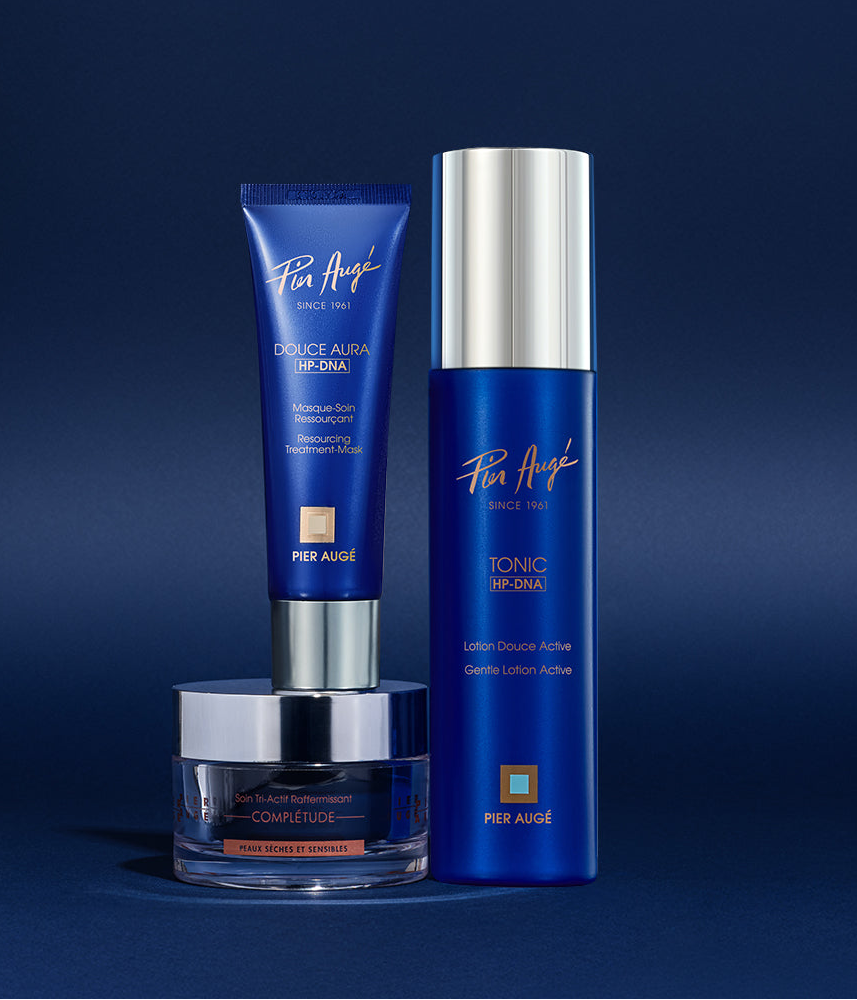
Why the Douce Aura Overnight Mask Fits This Routine
The Douce Aura Overnight Mask is a leave-on overnight cream mask, designed for use as the final step in your evening routine. The formula includes Sodium DNA, commonly described in skincare as PDRN. It directly answers the format question from earlier in this guide: it's the no-fuss leave-on cream option, with no peeling, no film, and no special removal. For barrier-focused, sensitive-leaning skin that wants PDRN without the wrapping-mask ritual, it fits the checkpoints we've covered.
View Douce Aura Overnight Mask
FAQ
How often should I use a PDRN overnight mask?
Start with 2–3 nights a week and adjust based on how your skin responds. Some people use it more frequently during dry seasons, but it's wise to let your skin guide the pace.
Can I use a PDRN overnight mask with retinol?
Yes. No interference is expected, and PDRN's calming lean may help buffer early retinol irritation. Apply retinol first, then the mask as your final step.
How is a PDRN overnight mask different from a sheet mask or peel-off wrapping mask?
The format changes the experience. A leave-on cream absorbs and needs no removal. A peel-off wrapping mask dries into a film you peel in the morning. A sheet mask is worn for a set time and discarded. See the comparison table above for the full breakdown.
Who should be cautious with a PDRN mask?
If you have a documented fish or shellfish allergy, patch test first. If you're pregnant or breastfeeding, check with a healthcare provider before use, since safety data for topical PDRN in these situations hasn't been established.
How fast will I notice a difference?
Surface effects like softness, comfort, and hydration can show up quickly — sometimes after the first night. Deep structural change is not a realistic promise from a topical mask.
Choosing a format that suits your routine is the most important step — and the right leave-on PDRN mask slots into basically any night.