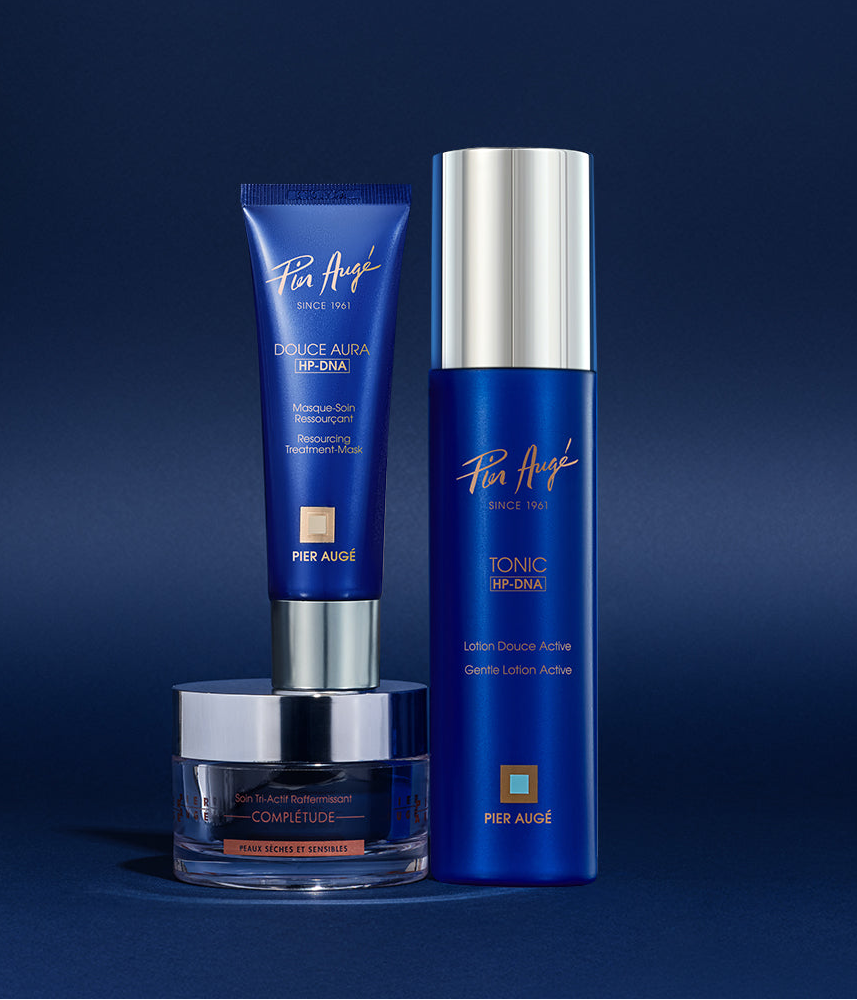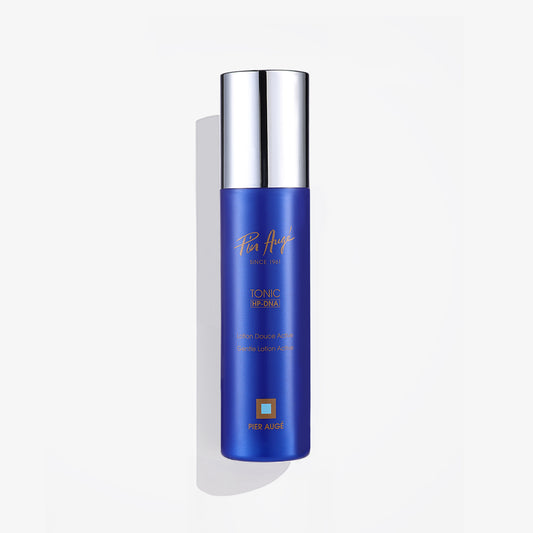


How to Use a Face Mask and Toner for Deep Hydration
Hydration is one of the most important foundations of healthy-looking skin. When skin lacks moisture, it can appear dull, rough, or tired—even when using moisturizers regularly.
Many skincare routines include treatments like a hydrating face mask to help restore moisture and improve skin comfort. However, applying a mask alone may not always deliver long-lasting results. For better hydration retention, skincare professionals often recommend pairing a mask with a hydrating toner.
This simple combination helps reinforce moisture levels while preparing the skin to absorb beneficial ingredients more effectively.
In this guide, we’ll explore how to use a face mask and toner together, why this routine works, and how it can help improve a skincare routine for dehydrated skin.
Why Your Skin Still Feels Dry After Using a Face Mask
Face masks are designed to deliver concentrated hydration and nourishing ingredients to the skin. However, once the mask is removed, the skin can gradually lose some of that moisture if additional hydration steps are not applied.
Several factors can contribute to this:
• the skin barrier may already be dehydrated
• moisture may evaporate after the treatment
• the routine may lack a step that helps reinforce hydration
This is where toner can play an important role. Modern hydrating toners are formulated to replenish moisture and help the skin maintain hydration after treatment steps.
When incorporated correctly, toner helps extend the benefits of a hydrating mask.
What Does a Hydrating Toner Do?
Toners have evolved significantly in modern skincare routines. While older formulas were often designed to remove oil, today’s hydrating toner formulas focus on moisture support and skin comfort.
A well-formulated toner can help:
• replenish moisture levels
• soften the skin’s surface
• support the skin barrier
• prepare the skin for serums or moisturizers
Because toners are lightweight and absorb quickly, they are ideal for reinforcing hydration immediately after treatments such as masks.
Some skincare routines also include ingredients commonly associated with PDRN skincare, which are increasingly used in hydration-focused routines designed to support skin vitality.

How to Use a Face Mask and Toner Together
Combining these two steps is simple and can easily be incorporated into most skincare routines.
Step 1: Cleanse the Skin
tart by cleansing the face to remove makeup, sunscreen, and daily impurities. Clean skin allows treatment products to penetrate more effectively.
Gentle cleansing is particularly important for those following a skincare routine for dehydrated skin, as overly harsh cleansers can worsen dryness.
Step 2: Apply a Hydrating Face Mask
After cleansing, apply a hydrating face mask designed to deliver intensive moisture and improve skin comfort.
Masks can help temporarily replenish hydration and provide ingredients that support smoother, softer skin.
Some skincare enthusiasts incorporate treatment masks containing advanced ingredients such as those used in PDRN skincare, which are often associated with skin revitalization and moisture support.
Allow the mask to remain on the skin for the recommended time so that the ingredients can fully absorb.
Step 3: Apply a Hydrating Toner
After removing the mask, apply a hydrating toner to reinforce the moisture that has been delivered during the masking step.
Gently press the toner into the skin using your palms or a cotton pad. This helps distribute hydration evenly while improving the skin’s ability to absorb subsequent skincare products.
Layering hydration in this way can help maintain a smoother, more comfortable skin texture.

How Often Should You Use a Hydrating Mask?
Most hydrating masks can be used two to three times per week, depending on skin type and hydration needs.
People experiencing dryness, tightness, or dullness may benefit from incorporating masks more consistently into their skincare routine.
Common signs that the skin may need additional hydration include:
• tightness after cleansing
• rough or uneven texture
• dull or tired-looking skin
• fine dehydration lines
Combining regular masking with hydration-focused steps like toner can help improve the overall balance of the skin.
Tips for Building a Hydrating Skincare Routine
A well-balanced hydration routine typically includes several supportive steps.
Use gentle cleansers
Harsh cleansers can disrupt the skin barrier and increase moisture loss.
Layer hydration
Using multiple lightweight hydrating steps—such as toner, serum, and moisturizer—can help maintain better moisture retention.
Use masks consistently
Treatment masks can help provide periodic boosts of hydration when the skin feels particularly dry.
Support the skin barrier
Products designed to reinforce the skin barrier can help maintain long-term hydration and comfort.
Many modern routines incorporate hydration-focused ingredients commonly found in PDRN skincare formulations, which are increasingly used in treatments aimed at supporting skin vitality.
Where to Buy the Pier Augé Mask?
If you are searching online for Pier Augé mask where to buy, the most reliable option is to purchase directly from the official Pier Augé USA website.
Buying from the official store ensures product authenticity and provides access to the complete Pier Augé skincare collection.
You can also find detailed information about the Pier Augé mask, ingredients, and recommended skincare routines to help you get the most from your products.
Skincare Routine FAQ
Should you use toner after a face mask?
Yes. Applying toner after removing a face mask helps reinforce hydration and prepare the skin for the next steps in a skincare routine.
Because toner absorbs quickly, it helps maintain the moisture delivered during the masking step.
How often should you use a hydrating face mask?
Most hydrating masks can be used two to three times per week. However, the ideal frequency depends on skin type, climate, and individual hydration needs.
Can toner replace moisturizer?
No. Toner is designed to deliver lightweight hydration, while moisturizers help seal moisture into the skin. Both steps can work together within a balanced skincare routine.