

How Long Do Face Masks Last Once Opened? A Shelf-Life Guide
How long do face masks last once opened? Yes, masks can expire — but there is no single timeline that fits every formula and format. Start with your own package: look for a printed use-by date or the small open-jar symbol with a number like 12M.
Then consider the format, how you stored it, and whether anything has changed since you first opened it. This label-first system works whether your package shows a date, a PAO symbol, or nothing at all.
Why You Can't Rely on One Universal Number
You've probably seen different articles give different numbers: six months, twelve months, two years. The truth is that shelf life depends on the product, how you use it, and how you store it — not on a fixed calendar.
In the United States, cosmetics are generally not required to print expiration dates. The FDA's cosmetics shelf-life guidance explains that shelf life varies by product type, use, and storage. The manufacturer's labeling, preservative system, packaging, and formula all play a role.
Preservatives can also break down over time, which may allow microorganisms to grow. So the practical rule is simple: skip generic category estimates and let the manufacturer's label, the way you used the product, and its current condition guide the decision.
Read the Package First: EXP, Manufacture Date, and PAO

EXP or use-by date. This is a date set by the manufacturer. When one is present, follow it rather than a generic timeline from another product or article.
Manufacturing date. This is common on Korean sheet masks and is easy to misread. A manufacture date tells you when the product was made, not when it expires. Don't panic about an old date — check what the label actually says.
PAO symbol. This is the open-jar icon with a number like 12M, meaning the manufacturer's indicated period after opening. It's a voluntary signal on US cosmetics, not a legal requirement, so its absence isn't a defect. Crucially, the PAO is not a guarantee — it assumes normal storage and clean use.
No date or symbol at all? Skip ahead to the five-step discard decision below.
Single-Use vs. Multi-Use: The Distinction That Decides Everything
The single biggest factor isn't the mask type — it's whether the product is designed for one use or many.
Single-use sheet masks and hydrogels. These products are intended for one session. Once you tear the pouch open, use the mask as directed and discard the pouch and leftover essence. Do not treat an opened single-use pack like a multi-use serum.
Multi-use containers: jars, tubes, and pumps. This is where the opening date matters. Direct finger contact can introduce microorganisms, while tubes and pumps may reduce repeated contact with the remaining formula. Check the PAO or printed date, mark the day you opened it, and keep your hands or applicator clean.
The key takeaway: a torn sheet-mask pouch is never a reusable product, no matter how much essence is left inside.
Condition Check: What to Look For Before You Use a Mask Again

- Smell. A rancid, sour, or unfamiliar odor is a reason to discard the product.
- Texture. Separation, wateriness, lumps, or an unusual tackiness that wasn't there before all signal breakdown.
- Color. A significant shade change from the original means the product is no longer in the condition you expect.
- Dryness. For sheet masks, if the sheet feels brittle or dry as you unfold it, toss it.
- Packaging. A swollen, leaking, or damaged pouch is a reason to skip the mask entirely.
Do not scoop around a changed area or try to restore the formula. If the product or package is noticeably different, discard it.
No Expiration Date? Use This 5-Step Discard Decision
If your mask has no printed date and no PAO symbol, work through these five steps in order. They'll help you make a safe call without inventing a timeline.
- Was the mask single-use? If the pouch is torn, the decision is already made — use it immediately or discard it.
- Do you know the opening date? If you don't, and the manufacturer can't verify it, replace the product, especially after prolonged or uncertain storage.
- Has anything changed? Any difference in smell, texture, or color is grounds for discard. Trust what you notice.
- Where has it been stored? Warm, damp, or sun-exposed storage can affect a cosmetic's condition. If storage has been poor and the manufacturer cannot confirm the product is still suitable, replace it.
- Are you still uncertain? Discard it. Uncertainty itself is a valid reason not to put a questionable product on your face.
Manufacturers aren't required to print dates, so this sequence fills the gap — and it always errs on the side of your skin.
Store Face Masks So They Last Longer
Good storage habits genuinely extend usable life. Here's how to do it:
- Keep masks in a cool, dry place — not the bathroom, where steam and temperature swings accelerate degradation.
- Close lids tightly after every use to limit unnecessary exposure.
- Use clean hands or a clean applicator, following the package directions.
- Don't dilute, refill, or alter a mask. Follow the manufacturer's directions for that product, and don't add water to anything dried out.
- Store individually wrapped sheet masks in the orientation and conditions recommended on the package.
- Mark the opening date on multi-use containers with a permanent marker so the PAO is obvious.
The FDA's microbiological safety guidance highlights contamination from consumer use and poor storage. Keeping products and applicators clean, and following the manufacturer's storage instructions, gives you a better basis for deciding than a borrowed timeline.
A Multi-Use Overnight Mask Example: Douce Aura
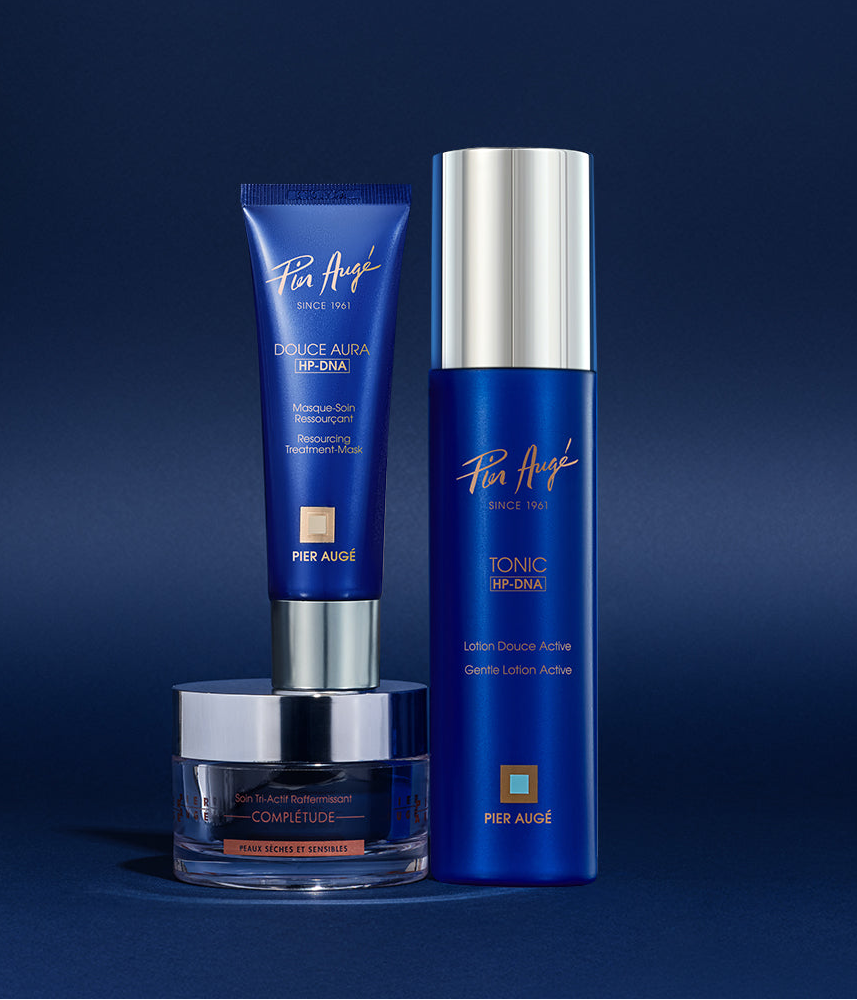
A leave-on formula shows how these principles apply in practice. Douce Aura is an overnight cream mask intended to remain on the skin while you sleep. Check its current package for storage and period-after-opening information, use it with clean hands or the supplied dispensing method, and close the product as directed after use. Writing the opening date somewhere visible can also make the label easier to follow over time, especially if you rotate several masks in your routine. View Douce Aura Overnight Mask
Wear Time vs. Shelf Life: Two Different Questions
These two ideas get confused all the time, but they're unrelated. Wear time — how long to leave a skincare mask on — comes from the instructions for that specific product. Shelf life is about freshness and safety over calendar time. Leaving an expired mask on longer doesn't revive it; it just keeps compromised product against your skin. For wear-time specifics, check our guide on how long to leave a skincare mask on.
FAQ
Do face masks expire if unopened?
Yes. Being sealed slows the process, but ingredients still degrade over time. An unopened mask lasts longer than an opened one, but the printed date or PAO still applies.
How long do face masks last once opened?
It depends on the format and packaging, not a fixed rule. Check the PAO or printed date on your package. A torn single-use sheet mask has no shelf life once opened — use it immediately or discard it.
Can I use a face mask after the expiration date?
It is better to follow the date printed by the manufacturer. If the product is past that date or has changed in smell, texture, or color, discard it rather than testing it on your skin.
Does the PAO symbol or the expiration date matter more?
Use the information on your specific package. A PAO counts from first opening, while a printed expiration or use-by date is set by the manufacturer. If both appear, follow the stricter applicable direction or ask the brand.
Why is it better to discard a face mask that looks or smells different?
Changes in odor, color, or texture indicate breakdown or possible contamination. The FDA notes that temperature, sunlight, air, and moisture can cause these changes. A changed product is a clear discard signal.